
Stem Cell Therapy vs Cortisone Injections for Joint Pain Relief: Which therapy Works Better?
Healthcare professional discussing joint pain therapy options with a patient in a warm medical office
Joint pain is a common ailment that affects millions of people worldwide, often leading to a search for effective therapy options. Among the various therapies available, stem cell therapy and cortisone injections have emerged as popular choices for managing joint pain. This article delves into the effectiveness, safety, and long-term outcomes of these two therapies, providing a comprehensive comparison to help patients make informed decisions. Readers will learn about the mechanisms behind each therapy, their benefits and risks, and who might be the best candidates for these therapies. By exploring these aspects, we aim to clarify the ongoing debate surrounding stem cell therapy vs cortisone injections, ultimately guiding individuals toward the most suitable option for their joint pain relief.
Effectiveness of Stem Cell Therapy vs Cortisone Injections
When comparing the effectiveness of stem cell therapy and cortisone injections, it is essential to consider the nature of the conditions being treated. Stem cell therapy using a stem cell regenerative procedures has shown promise in providing long-term relief by promoting tissue regeneration and reducing inflammation. Results may begin as early as 60-90 days after therapy. In contrast, cortisone injections are known for offering temporary pain relief, often lasting only a few weeks. The effectiveness of each therapy can vary significantly depending on the specific joint condition, with stem cell regenerative procedures often yielding better results for chronic issues like osteoarthritis.
Safety Considerations in Stem Cell Therapy vs Cortisone Injections
Safety is a critical factor when evaluating therapy options for joint pain. Stem cell therapy using a minimally invasive stem cell regenerative procedures is generally associated with zero major reported side effects, compared to cortisone injections. While cortisone can effectively reduce inflammation, it may also lead to cartilage damage and other complications if used repeatedly. Patients should discuss their medical history and any potential risks with their healthcare provider to determine the safest option for their individual circumstances.
Long-term Outcomes of Stem Cell Therapy vs Cortisone Injections
The long-term outcomes of stem cell therapy and cortisone injections differ significantly. Stem cell therapy may delay the need for surgical interventions by promoting natural healing processes within the joint through regenerative mechanisms. In contrast, cortisone injections often result in diminishing returns over time, requiring more frequent therapies to achieve the same level of pain relief. Understanding these long-term implications is crucial for patients considering their options for managing joint pain.
What Is Stem Cell Therapy and How Does It Help Joint Pain?
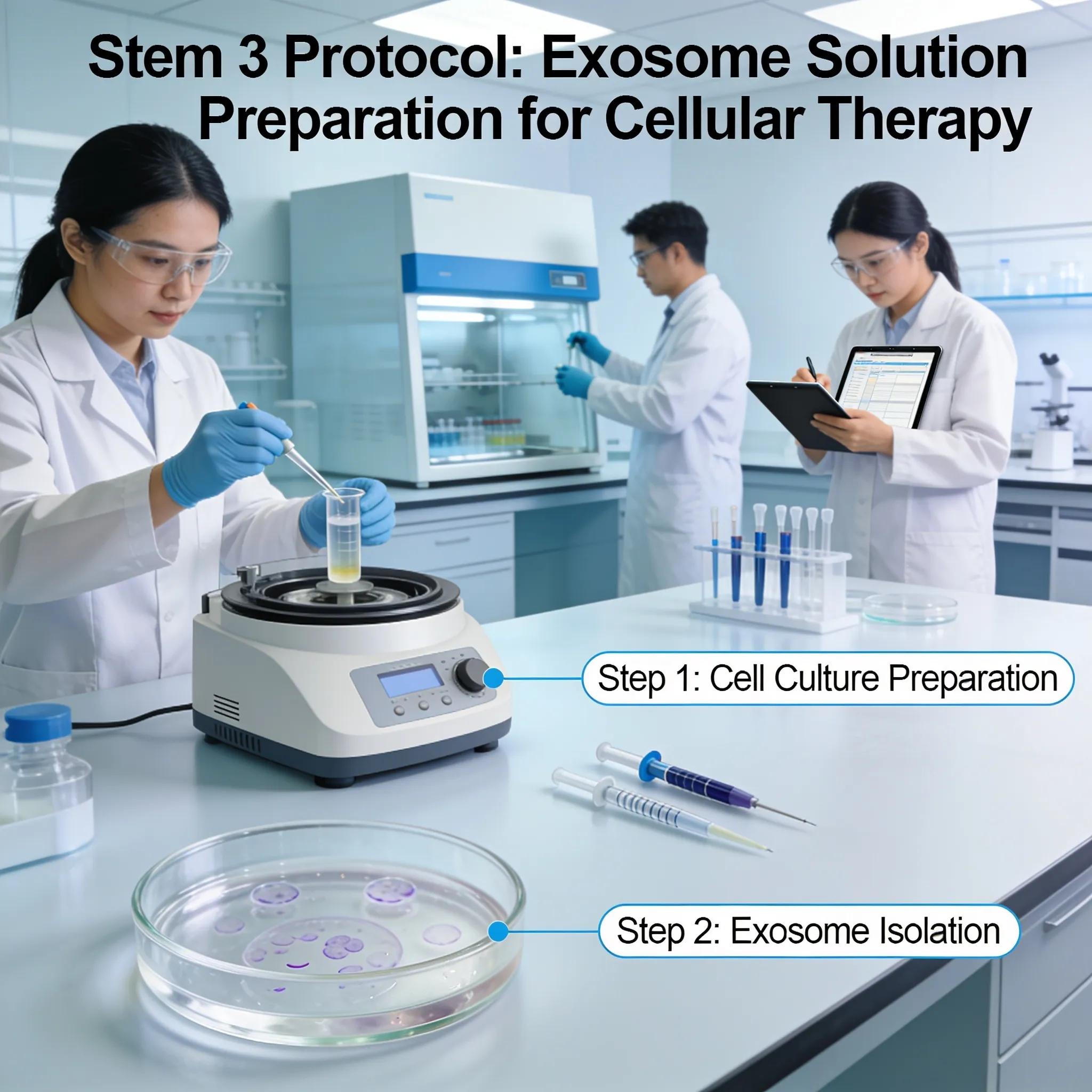
Scientists preparing stem cells in a laboratory for joint pain therapy
Stem cell therapy is a regenerative medicine approach that utilizes the body's own stem cells to promote healing and repair damaged tissues. This minimally invasive therapy aims to alleviate joint pain by regenerating cartilage and reducing inflammation. Stem cells can differentiate into various cell types, including cartilage cells, which are essential for maintaining joint health. By injecting a stem cell regenerative procedures into the affected area, patients may experience significant pain relief and improved joint function.
How Does Stem Cell Therapy Promote Cartilage Regeneration?
Stem cell therapy promotes cartilage regeneration through several mechanisms. First, stem cells can differentiate into chondrocytes, the cells responsible for producing cartilage. Additionally, they secrete growth factors and cytokines that stimulate the healing process and reduce inflammation. This dual action not only helps repair damaged cartilage but also enhances the overall health of the joint, leading to improved mobility and reduced pain.
Further research highlights the specific mechanisms by which mesenchymal stem cells contribute to joint repair and address osteoarthritis.
Mesenchymal Stem Cells for Joint Repair & Osteoarthritis
Mesenchymal stem cells (MSCs)—multipotent precursors of connective tissue cells that can be isolated from many adult tissues, including those of the diarthrodial joint—have emerged as a potential therapy. Endogenous MSCs contribute to maintenance of healthy tissues by acting as reservoirs of repair cells or as immunomodulatory sentinels to reduce inflammation. The onset of degenerative changes in the joint is associated with aberrant activity or depletion of these cell reservoirs, leading to loss of chondrogenic potential and preponderance of a fibrogenic phenotype. Local delivery of ex vivo cultures of MSCs has produced promising outcomes in preclinical models of joint disease. Mechanistically, paracrine signalling by MSCs might be more important than differentiation in stimulating repair responses; thus, paracrine factors must be assessed as measures of MSC therapeutic potency, to replace traditional assays based on cell-surface markers and differentiation. Several early-stage clinical trials, initiated or underway in 2013, are testing the delivery of MSCs as an intra-articular injection into the knee, but optimal dose and vehicle are yet to be established.
Mesenchymal stem cells in joint disease and repair, F Barry, 2013
What Are the Benefits and Risks of Stem Cell Therapy for Arthritis?
Stem cell therapy offers several benefits for those experiencing arthritis, including:
1. Minimally Invasive Approach: This therapy avoids the risks associated with invasive surgeries.
2. Potential for Long-term Relief: Many patients report sustained pain relief and improved joint function.
3. Reduced Inflammation: Stem cells help decrease inflammation, which is a significant contributor to joint pain.
However, there are also risks associated with stem cell therapy, such as variability in therapy outcomes and the potential for complications related to the injection process. Patients should weigh these factors carefully when considering this therapy option.
How Do Cortisone Injections Work to Relieve Joint Inflammation?
Cortisone injections work by delivering a potent anti-inflammatory medication directly into the affected joint. This corticosteroid reduces inflammation and alleviates pain, providing quick relief for those experiencing conditions like arthritis or tendonitis. While effective in the short term, cortisone injections do not address the underlying causes of joint pain and are not a long-term solution.
What Is the Effectiveness and Duration of Cortisone Injection Relief?
The effectiveness of cortisone injections can vary widely among patients, with some experiencing significant pain relief for several weeks, while others may find the effects diminish within days. Typically, the relief lasts from a few days to several weeks, depending on the individual's condition and response to the therapy. Repeated injections may be necessary, but they can lead to complications over time, including joint damage.
What Side Effects and Risks Are Associated with Cortisone Injections?
Cortisone injections can have several side effects and risks, including:
1. Cartilage Damage: Repeated use may lead to deterioration of the cartilage in the joint.
2. Risk of Infection: Any injection carries a risk of infection at the injection site.
3. Diminishing Returns: Over time, patients may find that the injections become less effective.
These potential risks highlight the importance of discussing therapy options with a healthcare provider to determine the best approach for managing joint pain.
Comparing Stem Cell Therapy vs Cortisone Injections in Effectiveness
When comparing stem cell therapy and cortisone injections, it is clear that each therapy has its strengths and weaknesses. Stem cell therapy offers the potential for long-term benefits by addressing the root causes of joint pain, while cortisone injections provide quick, temporary relief. Ultimately, the choice between these therapies should be based on individual patient needs, the specific joint condition, and the desired outcomes.
Who Is a Suitable Candidate for Stem Cell Therapy or Cortisone Injections?
Determining the suitability of stem cell therapy or cortisone injections depends on various factors, including the patient's overall health, the severity of their joint condition, and their therapy goals. Generally, candidates for stem cell therapy are those with chronic joint pain who have not responded well to traditional therapies. In contrast, cortisone injections may be more appropriate for patients seeking immediate relief from acute inflammation.
What Are the Cost and Accessibility Differences Between These Therapies?
Cost and accessibility can significantly influence therapy decisions for joint pain. Stem cell therapy is often more expensive than cortisone injections, and its availability may vary by location. Insurance coverage for these therapies can also differ, with many plans covering cortisone injections but not stem cell therapy. Patients should consider these factors when evaluating their options for joint pain relief.
What Are Common Patient Experiences and Outcomes with These Therapies?
Patient experiences with stem cell therapy and cortisone injections can vary widely. Many individuals report positive outcomes with stem cell therapy, including reduced pain and improved joint function. Conversely, while cortisone injections can provide quick relief, some patients may experience only temporary benefits. Understanding these experiences can help prospective patients set realistic expectations for their therapy journey.
Different therapy options for joint pain deliver distinct benefits and risks, which can significantly impact patient outcomes.
Therapy Type
Benefit
Risk
Duration of Relief
Stem Cell Therapy
Long-term pain relief and tissue regeneration
Variability in results
Months to years, with results possibly starting 60-90 days after therapy
Cortisone Injections
Quick pain relief
Cartilage damage and infection risk
Days to weeks
This comparison highlights the importance of considering both the benefits and risks associated with each therapy option when making decisions about joint pain management.
Our stem cell regenerative procedure protocols are produced in FDA-registered labs but are not FDA-approved therapies.
Dr. Charles Pereyra, MD
Our Stem Cell exosome formula is produced in an FDA approved lab, but is not an FDA approved therapy. It is currently in the experimental stages — all information provided is based on our experience with patients. Results may vary.