
Regenerative Joint Therapy Los Angeles: Effective Non-Surgical Therapies for Joint Pain Relief and Repair
Patient receiving regenerative joint therapy in a modern Los Angeles clinic, emphasizing hope and healing
In Los Angeles, regenerative joint therapy has emerged as a promising solution for those experiencing chronic joint pain. This innovative approach utilizes the body's natural healing mechanisms to alleviate pain and restore function without the need for invasive surgical procedures. The article discusses the various types of regenerative therapies available, such as stem cell therapy and platelet-rich plasma (PRP) therapy, their effectiveness, and the overall benefits they provide to patients. By understanding these therapies, readers can make informed decisions about their options and find relief from joint discomfort. Key sections include patient testimonials, success rates, and what to expect when undergoing these therapies.
Types of Therapies
Regenerative joint therapy encompasses several advanced therapy modalities aimed at promoting healing within the joints. The primary therapies include stem cell therapy, regenerative protocol, platelet-rich plasma therapy, and orthopedic regenerative therapies. Each approach leverages the body’s inherent ability to heal, targeting conditions such as osteoarthritis and chronic injuries.
Stem Cell Therapy
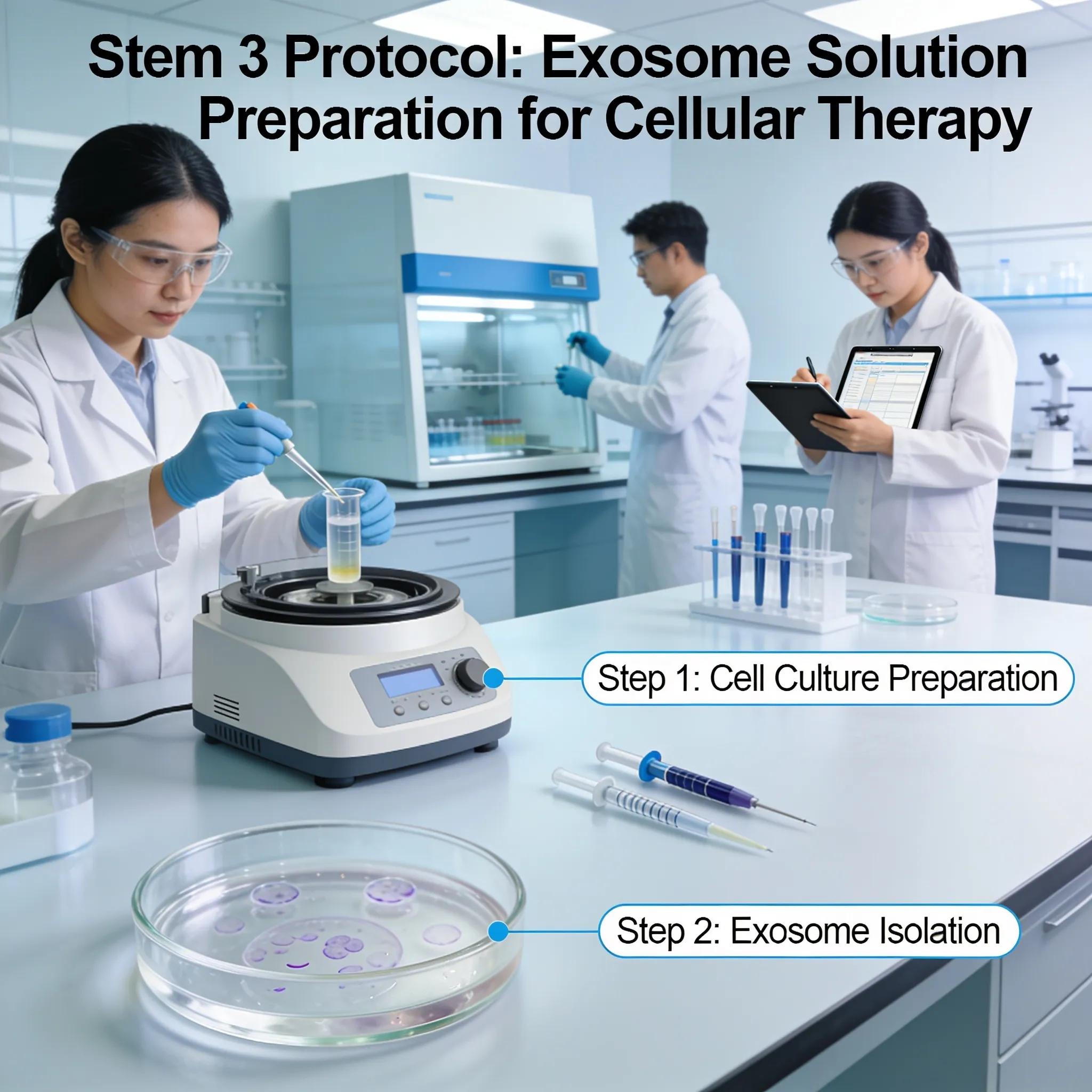
Close-up of stem cell therapy preparation in a Los Angeles clinic, highlighting innovation in therapy
Stem cell therapy harnesses the power of the body’s own stem cells to promote tissue repair. By injecting stem cells into affected joints, this procedure aims to reduce inflammation, regenerate cartilage, and significantly alleviate pain associated with conditions like knee osteoarthritis. Stem cell injections are minimally invasive and can provide long-lasting relief, leading to improved mobility and quality of life.
regenerative protocol
regenerative protocol involves the use of regenerative procedures derived from stem cells, which are tiny vesicles that facilitate communication between cells. These regenerative procedures promote healing by reducing inflammation and enhancing tissue regeneration. This therapy has gained attention for its effectiveness in treating joint ailments, often resulting in accelerated recovery times and improved patient outcomes.
Platelet-Rich Plasma (PRP) Therapy
Platelet-rich plasma (PRP) therapy utilizes a patient's own blood to procure a high concentration of platelets that are rich in growth factors. These platelets are then injected into the injured joint, stimulating healing and reducing pain. PRP therapy is particularly beneficial due to its minimally invasive nature and ability to enhance recovery by utilizing the body's natural healing properties.
Orthopedic Regenerative therapy
Orthopedic regenerative therapies target various orthopedic conditions through non-surgical means. These therapies often expand beyond joint pain, addressing acute and chronic musculoskeletal issues with tailored protocols. Such interventions support the repair of damaged tissues, helping patients return to their normal activities without the risks associated with surgery.
Success Rates
The effectiveness of regenerative joint therapies has shown promising results based on patient outcomes and satisfaction. Reports indicate that many patients experience significant reductions in pain levels and improved mobility, with some studies highlighting success rates as high as 70% to 80%. The increasing number of patients able to avoid invasive surgery underscores the value of these innovative therapies.
Patient Testimonials
Patient testimonials provide valuable insights into the experiences individuals have had with regenerative joint therapy. Many report remarkable improvements in their quality of life, noting faster recovery times and enhanced daily functionality. These real-life success stories serve as a testament to the efficacy of the therapies and the positive impact they have on various conditions.
Regenerative joint therapy presents a compelling non-surgical option for those experiencing joint pain and related conditions. With a range of effective therapies available, patients can explore the potential benefits and find relief from their symptoms. Consultation with healthcare professionals specializing in these therapies can guide individuals toward the most suitable therapy options tailored to their specific needs.
What is Regenerative Joint Therapy and How Does it Work in Los Angeles?
Regenerative joint therapy refers to a group of therapies that utilize advanced techniques to stimulate the body’s natural healing processes. By employing methods such as stem cell injections and PRP, these therapies aim to restore functionality and alleviate pain in affected joints. The underlying mechanism involves the infusion of therapeutic cells or growth factors that encourage tissue repair and regeneration.
How It Works
At the core of regenerative joint therapy is the concept of harnessing the body’s ability to heal itself. Techniques such as injecting stem cells directly into the joint area or using regenerative procedures from stem cells foster an environment conducive to healing. These therapies trigger biological responses that repair damaged tissues, reduce inflammation, and enhance overall joint stability.
Specific Techniques Used
Multiple techniques are employed within the realm of regenerative therapy, including:
- Stem Cell Injections: Deliver stem cells directly to the affected area.
- PRP Techniques: Utilize the patient’s blood to concentrate platelets and growth factors.
- regenerative procedure Applications: Infuse regenerative procedures, utilizing their cellular signaling properties to aid in recovery.
Benefits
The benefits of regenerative joint therapies extend beyond pain relief. Patients often experience reduced recovery times, decreased need for pain medications, and an overall improvement in their quality of life. These therapies offer a well-tolerated, minimally invasive alternative that minimizes risks associated with traditional surgical interventions.
Patient Outcomes
Clinical outcomes have shown considerable success in the effectiveness of regenerative therapies. Improvements such as decreased pain and enhanced joint function are common among patients, with many reporting a notable increase in their ability to perform daily activities. Long-term benefits include sustained relief and greater mobility, further establishing these therapies as a viable option for joint pain management.
Defining Regenerative Medicine and Its Role in Joint Repair
Regenerative medicine broadly refers to medical therapies that aim to repair or replace damaged tissues or organs. Within the context of joint repair, regenerative therapies such as stem cell and regenerative procedures play a significant role in promoting healing through innovative, non-surgical approaches.
Mechanisms of Regenerative Medicine in Joint Repair
The mechanisms by which regenerative medicine aids in joint repair involve enhancing cellular repair processes, reducing inflammation, and promoting tissue regeneration. By leveraging the body’s natural processes, these therapies offer a cutting-edge alternative to traditional methods that often rely on more invasive techniques.
Applications in Joint Repair
The applications of regenerative medicine in joint repair are vast, encompassing various joint issues such as osteoarthritis and acute injuries. These therapies not only focus on pain relief but also on the restoration of joint function and quality of life, making them essential components of modern orthopedic care.
Steps Involved in Regenerative Joint Therapy
Undergoing regenerative joint therapy typically involves several key steps:
1. Initial Consultation: Assessing the patient’s medical history and determining suitability.
2. Therapy Planning: Developing a personalized therapy plan based on specific needs.
3. Therapy Administration: Performing the injection or application in a controlled environment.
4. Post-Procedure Care: Implementing strategies to maximize recovery and monitor outcomes.
Benefits for Patients
The primary benefits for patients considering regenerative joint therapy include:
- Enhanced Mobility: Improved joint function and range of motion.
- Pain Reduction: Significant decreases in discomfort levels.
- Minimized Surgical Risks: Avoiding invasive procedures reduces complications and recovery times.
How Stem Cell and regenerative procedure Therapies Promote Cartilage Regeneration
Stem cell and regenerative procedure therapies contribute significantly to cartilage regeneration by providing the necessary biological components for tissue repair. The introduction of stem cells or exosomal factors stimulates cellular processes that lead to increased cartilage production and reduction in degeneration.
Mechanisms Involved
The mechanisms involved in cartilage regeneration through these therapies primarily include cellular signaling pathways that encourage tissue growth and repair. Stem cells differentiate into cartilage cells, while regenerative procedures facilitate communication between cells to enhance healing responses.
Clinical Outcomes
Clinical outcomes from studies on stem cell and regenerative procedure therapies indicate successful cartilage repair, with many patients experiencing dramatic improvements in joint health and function post-therapy. Long-term follow-ups often reveal sustained benefits and higher levels of satisfaction with overall joint function.
Therapy Protocols
Therapy protocols for stem cell and regenerative procedures generally incorporate specific methodologies that include patient assessment, preparation of stem cell regenerative procedures, application techniques, and structured follow-up care to monitor progress and adjustments as necessary.
Which Stem Cell Injection Therapies Are Available for Joint Pain in Los Angeles?
In Los Angeles, several stem cell injection therapies are available tailored to various joint issues. These therapies utilize different types of stem cells, often autologous (derived from the patient's own body) to minimize the risk of rejection and maximize effectiveness.
Types of Injections
Types of stem cell injections used in joint therapy may include:
- Bone Marrow-Derived Stem Cells: Harvested from the patient's bone marrow.
- Adipose-Derived Stem Cells: Extracted from adipose tissue.
- Peripheral Blood Stem Cells: Obtained through blood samples.
Procedures
The procedures for administering stem cell injections typically entail minimally invasive techniques and can be performed in an outpatient setting. Following appropriate imaging techniques, the tailored therapy is administered to the affected joint.
Success Rates
Success rates for stem cell injections can vary but are generally high, with numerous studies supporting their efficacy in alleviating pain and improving function in those experiencing joint issues.
Potential Side Effects
As with any medical procedure, there may be potential side effects associated with stem cell injections, including temporary soreness at the injection site or minor allergic reactions. Importantly, there have been zero major reported side effects when performed by qualified professionals.
Benefits of Stem Cell Therapy
The benefits of stem cell therapy include personalized therapy plans, minimal invasiveness, and the potential for significant improvements in joint function and pain relief, making it a compelling option for those looking for alternatives to surgical intervention.
Stem Cell Therapy Options for Knee Osteoarthritis and Other Joint Conditions
Stem cell therapy presents various therapy options specifically designed for knee osteoarthritis and other joint conditions. These therapies not only alleviate symptoms but also focus on long-term joint health and restoration.
Types of Therapies
Therapy options may include:
- Direct Injection Therapy: Delivering concentrated stem cells directly into the knee joint.
- Combination Therapies: Using approaches that combine stem cell injections with physical rehabilitation and other modalities to optimize outcomes.
Effectiveness
Evidence from studies suggests that stem cell therapy can effectively reduce symptoms of knee osteoarthritis, with many patients reporting improved function and reduced pain over extended periods. Results may begin as early as 60-90 days following therapy.
Patient Eligibility Criteria
Patient eligibility for stem cell therapy generally requires an assessment of overall health, specific joint conditions, and previous therapies. Healthcare professionals will evaluate these factors to determine if stem cell therapy is the right choice.
What to Expect Before, During, and After Stem Cell Joint Injection Procedures
Understanding the process of stem cell injections is crucial for patients preparing for this therapy. Clear expectations regarding preparation, procedure, and postoperative care can enhance the overall experience and improve outcomes.
Preparation Steps
Before therapy, patients may undergo several preparatory steps, including medical evaluations, imaging studies, and discussions about expectations and potential risks. These steps ensure a comprehensive understanding of the therapy and its objectives.
The Procedure
During the procedure, a qualified healthcare provider administers the stem cell injection using imaging guidance to ensure precise placement in the joint space. Local anesthesia may be used to minimize any discomfort during the process.
Postoperative Care
Postoperative care involves specific guidelines to assist in recovery. Patients are usually advised to rest the treated joint and may receive recommendations for follow-up appointments to monitor progress and adjust therapy if necessary.
Recovery Expectations
Patients can typically expect a gradual recovery process post-injection, with many beginning to feel improvements within weeks. However, complete recovery may take several months, and ongoing therapy may be suggested to achieve optimal outcomes.
Potential Side Effects
While side effects are generally mild, patients should be aware of potential local soreness or swelling at the injection site. Education on managing these effects can enhance patient comfort and adherence to postoperative care.
How Effective and well-tolerated is regenerative protocol for Joint Repair in Los Angeles?
Healthcare provider discussing regenerative protocol details with a patient in a Los Angeles clinic, emphasizing education and care
regenerative protocol has emerged as an innovative option for joint repair in Los Angeles, characterized by its effectiveness and safety profile. Understanding its mechanisms and potential risks is vital for patients considering this therapy.
Effectiveness
regenerative protocol has shown promising results in enhancing recovery for patients with joint pain. Evidence suggests that regenerative procedures can improve pain levels and accelerate the healing process, often yielding noticeable improvements over time. Results may begin as early as 60-90 days following therapy.
Safety
Safety reports indicate that regenerative protocol poses minimal risk when performed under medical supervision. Most patients experience no significant side effects, making it a favorable option among non-surgical therapies. There have been zero major reported side effects.
Clinical Outcomes
Clinical outcomes highlight that patients receiving regenerative protocol for joint repair often report substantial improvements in mobility and pain management. Follow-up studies confirm that these improvements can be long-lasting, further establishing regenerative protocol as a viable option for joint health.
Potential Risks
While regenerative protocol is generally well tolerated, patients should remain informed about possible risks, such as minor local reactions at the injection site. Comprehensive discussions with healthcare providers can clarify any concerns about this emerging therapy.
Patient Testimonials
Patient testimonials provide valuable insights into the experiences of individuals who have undergone regenerative protocol. Many express satisfaction with their therapies, citing significant relief from symptoms and improved quality of life.
Benefits of regenerative procedures Compared to Other Regenerative Therapies
regenerative procedures offer unique advantages over other regenerative therapies. Understanding these benefits can help patients in choosing the right therapy for their specific needs.
- Reduced Inflammation: regenerative procedures can effectively decrease inflammation, which is a common underlying issue in joint pain.
- Enhanced Healing: The communication facilitated by regenerative procedures aids in faster recovery and tissue repair.
- Minimized Risks: The use of regenerative procedures, derived from the patient’s own cells, greatly reduces the chances of adverse reactions compared to more invasive methods.
What Are the Risks and Recovery Expectations for regenerative procedure Therapies?
Patients considering regenerative procedure therapies should be aware of both the risks and expected recovery times associated with this therapy. Proper education ensures informed decision-making and sets realistic expectations.
Discuss Expected Recovery Times
Typically, recovery from regenerative procedure therapies is swift, with many patients resuming normal activities within a few days. However, individual experiences may vary based on therapy specifics and personal health conditions.
Highlight Potential Complications
While regenerative procedure therapies are considered well tolerated, potential complications, though rare, can include mild swelling or soreness at the injection site. Regular follow-ups and communication with the treating healthcare provider can address any concerns emerging during the recovery phase.
What Non-Surgical Joint Pain Relief Options Complement Regenerative Therapies in LA?
In addition to regenerative therapies, various non-surgical options are available for joint pain relief in Los Angeles. These complementary therapies can enhance overall therapy outcomes.
- Physical Therapy: Tailored exercises can strengthen the muscles around the joint, providing additional support and relief.
- Acupuncture: This traditional practice may assist in alleviating pain and enhancing joint function through targeted therapies.
- Nutritional Support: Approaches that incorporate anti-inflammatory diets can support joint health and recovery during the rehabilitation process.
How Platelet Rich Plasma Therapies Support Joint Healing
Platelet-rich plasma (PRP) therapies play a transformative role in supporting joint healing through their unique biological properties. Understanding how PRP works helps frame its application in regenerative medicine.
PRP therapy is centered around the use of platelets that are rich in growth factors. When injected into diseased or damaged joints, these growth factors stimulate tissue repair and enhance recovery.
Integrating Physical Therapy and Rehabilitation Post Joint Injections
Post-therapy rehabilitation is crucial for optimizing recovery after joint injections. Physical therapy integration supports the healing process and maximizes therapeutic effects.
- Strengthening Programs: Tailored exercises focus on strengthening surrounding muscles for better joint stability.
- Range of Motion Exercises: These activities ensure that patients maintain mobility and avoid stiffness during recovery.
- Education and Support: Patient education regarding post-injection care and recovery expectations fosters adherence to rehabilitation protocols.
Which Knee Cartilage Regeneration Therapies Are Most Popular in Los Angeles?
Knee cartilage regeneration therapies have gained immense popularity among patients seeking relief from osteoarthritis and joint degeneration. Various methodologies have shown promise in this domain.
Methods
Some popular cartilage regeneration approaches include:
- Stem Cell Therapy: Utilizes the body's own cells to stimulate new cartilage growth.
- PRP Therapy: Enhances healing by utilizing concentrated growth factors from the patient’s blood.
- Joint Lubrication Injections: Hyaluronic acid injections can assist in cushioning joints and alleviating pain.
Effectiveness
Studies indicate that the effectiveness of these therapies varies based on individual patient factors. However, many patients report successful outcomes, with noticeable improvements in both pain and function over time.
Availability
Therapy availability in Los Angeles is extensive, with numerous clinics offering specialized services in cartilage regeneration. This accessibility allows individuals to seek multiple opinions and find the best-fit therapy for their unique situations.
Comparing Stem Cell, regenerative procedure, and PRP Therapy for Knee Cartilage Damage
A comparative analysis of stem cell, regenerative procedure, and PRP therapies reveals distinct advantages and applications for treating knee cartilage damage. Each therapy brings unique characteristics that cater to different patient needs.
- Stem Cell Therapy: Focuses on tissue regeneration through the application of stem cells.
- regenerative protocol: Enhances healing through cellular communication mechanisms.
- PRP Therapy: Relies on the body’s own growth factors to promote recovery.
This comparative assessment aids patients in understanding the strengths and potential applications of each therapy.
How Long Does Knee Pain Therapy Last and What Are Recovery Milestones?
Understanding the duration and milestones of knee pain therapy is crucial for managing expectations. Effective therapy plans typically outline specific recovery timelines based on individual needs.
The length of knee pain therapy varies, typically ranging from weeks to months depending on the therapy used. Patients often notice gradual improvements, with significant milestones such as reduced pain and increased functionality occurring within the first few weeks of therapy.
What Do Patients in Los Angeles Say About Their Regenerative Joint Therapy Experience?
Patient feedback often serves as a valuable source of insight into the effectiveness of regenerative joint therapies. Many individuals share their experiences regarding pain relief and improved mobility.
Patient Testimonials on Stem Cell and regenerative procedures Outcomes
Testimonials highlight the positive outcomes associated with stem cell and regenerative protocol. Patients frequently report remarkable improvements in both pain levels and quality of life, reflecting the successes of these innovative therapies.
How Clinical Case Studies Demonstrate Long-Term Joint Health Improvements
Clinical case studies provide empirical evidence for the effectiveness of regenerative therapies. Data gathered from patient outcomes supports the long-term benefits that many individuals experience post-therapy.
Research highlights that patients undergoing stem cell and regenerative procedure therapies often achieve sustained improvements in joint health, with many able to engage in physical activities they previously avoided due to pain. This enduring success underscores the potential of regenerative joint therapy as a reliable intervention for managing joint conditions.
Our stem cell regenerative procedure protocols are produced in FDA-registered labs but are not FDA-approved therapies.
Provided by Dr. Charles Pereyra, MD
Our Stem Cell exosome formula is produced in an FDA approved lab, but is not an FDA approved therapy. It is currently in the experimental stages — all information provided is based on our experience with patients. Results may vary.