
Stem Cell Therapy for Knee Pain: How It Works to Treat Knee Osteoarthritis and Improve Joint Health
Healthcare professional discussing stem cell therapy for knee pain with patient
Stem cell therapy represents a groundbreaking approach in managing knee pain, particularly for those experiencing knee osteoarthritis. By leveraging the body's natural healing capabilities, this innovative therapy offers significant promise in alleviating pain and restoring joint functionality. Patients often experience debilitating discomfort, which can severely impact mobility and quality of life. Understanding stem cell therapy, its mechanisms, and benefits can provide clarity for those exploring alternative options for knee pain management. This article delves into the complexities of stem cell therapy, its potential benefits, and clinical applications. Key sections will address the mechanics of action, how mesenchymal stem cells aid in cartilage repair, and what patients can anticipate during recovery.
Mechanisms of Action
Stem cell therapy operates on principles rooted in regenerative medicine, leveraging the unique properties of stem cells to promote healing. These cells can differentiate into various types of bodily tissues, including cartilage, which is essential for joint health. When injected into the affected area, they release growth factors and anti-inflammatory mediators, effectively reducing inflammation and fostering tissue repair. The ultimate goal is to restore the function and integrity of the knee joint, alleviating pain while improving mobility. This healing process highlights the innovative nature of regenerative medicine as an effective alternative to traditional pain management methods.
Potential Benefits
The various advantages of using stem cell therapy for knee pain include significant improvements in the quality of life and better long-term outcomes for patients. Key benefits of stem cell therapy consist of:
1. Pain Relief: Stem cells help in reducing pain by addressing inflammation in the joint.
2. Improved Mobility: Patients often report enhanced range of motion following therapy.
3. Longevity of Effects: Some studies suggest that the benefits of stem cell therapy may last longer compared to traditional therapies.
Following these benefits, it is crucial to explore the practical implications and advancements offered by specific stem cell therapies.
Benefit
Description
Evidence Level
Pain Relief
Reduction of inflammation and pain in joints
High (multiple studies)
Improved Mobility
Enhanced joint function and movement capability
Moderate (ongoing research)
Longevity of Effects
Longer-lasting results compared to corticosteroids
Moderate to High (longitudinal studies)
Clinical Applications
Stem cell therapy has shown to be effective in various clinical contexts, particularly for non-surgical knee pain therapies. It offers customized solutions based on individual patient conditions, including knee osteoarthritis and ligament injuries. By assessing the unique needs of patients, healthcare providers can tailor therapy protocols that harness the power of regenerative medicine. This approach not only aims to alleviate symptoms but also focuses on the underlying issues causing knee pain, setting it apart from conventional therapies.
What Is Stem Cell Therapy for Knee Osteoarthritis?
Stem cell therapy specifically targets knee osteoarthritis by utilizing regenerative cells to repair damaged cartilage. This innovative therapy method offers hope to individuals who have limited options for pain relief. Understanding the demographic most affected by this condition can help tailor therapy approaches effectively. those experiencing knee osteoarthritis often experience cumulative wear on their cartilage, leading to significant pain and functional impairments. Thus, utilizing stem cells may provide a compelling solution, especially when traditional therapies have failed.
How Do Mesenchymal Stem Cells Aid Knee Cartilage Repair?
Mesenchymal stem cells (MSCs) play a pivotal role in cartilage repair through their capacity to differentiate into chondrocytes, the cells responsible for cartilage formation. By injecting MSCs directly into the knee joint, these cells can exert their beneficial effects on the damaged cartilage. They produce growth factors that promote healing and repair mechanisms, significantly impacting the restoration of joint health. This regenerative approach can greatly enhance the body's natural ability to recover from osteoarthritis and injury.
Mesenchymal Stem Cells for Cartilage Repair in Osteoarthritis
Osteoarthritis (OA) is a degenerative disease of the connective tissue and progresses with age in the older population or develops in young athletes following sports-related injury. The articular cartilage is especially vulnerable to damage and has poor potential for regeneration because of the absence of vasculature within the tissue. Normal load-bearing capacity and biomechanical properties of thinning cartilage are severely compromised during the course of disease progression. Although surgical and pharmaceutical interventions are currently available for treating OA, restoration of normal cartilage function has been difficult to achieve. Since the tissue is composed primarily of chondrocytes distributed in a specialized extracellular matrix bed, bone marrow stromal cells (BMSCs), also known as bone marrow-derived 'mesenchymal stem cells' or 'mesenchymal stromal cells', with inherent chondrogenic differentiation potential appear to be ideally suited for therapeutic use in cartilage regeneration.
Mesenchymal stem cells for cartilage repair in osteoarthritis, PK Gupta, 2012
Further research supports the potential of MSCs in addressing the limitations of traditional cartilage repair methods.
Systematic Review: Mesenchymal Stem Cells for Cartilage Repair
The management of articular cartilage defects presents many clinical challenges due to its avascular, aneural and alymphatic nature. Bone marrow stimulation techniques, such as microfracture, are the most frequently used method in clinical practice however the resulting mixed fibrocartilage tissue which is inferior to native hyaline cartilage. Other methods have shown promise but are far from perfect. There is an unmet need and growing interest in regenerative medicine and tissue engineering to improve the outcome for patients requiring cartilage repair.
The use of mesenchymal stem cells for cartilage repair and regeneration: a systematic review, A Goldberg, 2017
This regenerative capacity is further emphasized by studies exploring MSCs for traumatic cartilage defects.
Mesenchymal Stem Cells for Articular Cartilage Defects
Articular cartilage has a limited capacity to repair following injury. Early intervention is required to prevent progression of focal traumatic chondral and osteochondral defects to advanced cartilage degeneration and osteoarthritis. Novel cell-based tissue engineering techniques have been proposed with the goal of resurfacing defects with bioengineered tissue that recapitulates the properties of hyaline cartilage and integrates into native tissue. Transplantation of mesenchymal stem cells (MSCs) is a promising strategy given the high proliferative capacity of MSCs and their potential to differentiate into cartilage-producing cells - chondrocytes.
Mesenchymal stem cells in the therapy of traumatic articular cartilage defects: a comprehensive review, TD Bornes, 2014
What Is the Role of Regenerative Medicine in Non Surgical Knee Pain Therapy?
Regenerative medicine encompasses various innovative approaches to treat knee pain without resorting to surgical interventions. Techniques such as stem cell therapy and platelet-rich plasma (PRP) aim to facilitate tissue regeneration and promote healing. The benefits include less downtime compared to traditional surgical methods and a lower risk of complications, providing patients with viable options for managing their knee pain more effectively. Evaluating the cost-benefits of such therapies against surgical alternatives is critical for patients considering their therapy options.
How Is the Stem Cell Knee Injection Procedure Performed?
Medical professional performing a stem cell knee injection
The procedure for administering stem cell injections into the knee is typically straightforward but requires precision. Initially, the area is prepared, and imaging techniques, such as ultrasound, may be used for accurate placement. The injection itself involves a minimally invasive procedure where concentrated stem cell regenerative procedures, often harvested from the patient's own body (such as bone marrow or adipose tissue), is injected into the knee joint. Patients usually experience minimal discomfort during the process, making it an appealing option for those hesitant about surgical therapies.
How Do PRP and Stem Cell Therapies Compare in Knee Therapy?
When comparing platelet-rich plasma (PRP) and stem cell therapies, both methods demonstrate unique mechanisms of action. PRP utilizes components derived from the patient's blood to promote healing, while stem cell therapy actively introduces regenerative cells into the joint. Studies suggest that while both therapies can provide relief, stem cell therapy may offer a more profound and longer-lasting effect due to its regenerative capacity. Evaluating the effectiveness of each therapy can guide patients in selecting the appropriate therapy for their specific knee conditions. For further exploration into advanced biological therapies, consider reviewing the latest developments in platelet-rich plasma technology.
What Are the Benefits and Risks of Stem Cell Therapy for Knee Pain?
The benefits of stem cell therapy for knee pain extend beyond pain relief to include a holistic approach to joint health. Key advantages consist of:
1. Reduction in Inflammation: Stem cells help counteract inflammation, a significant factor in joint pain.
2. Improved Functionality: Patients often experience better range of motion.
3. Minimized Risk of Surgery: This therapy can provide an alternative to surgical interventions, reducing recovery time.
However, potential risks include infection at the injection site and variability in patient responses. Notably, there have been zero major reported side effects in clinical use. Thus, appropriate patient selection and thorough consultations are vital to minimize risks while maximizing benefits.
How Does Stem Cell Therapy Improve Mobility and Reduce Pain?
Stem cell therapy alleviates pain and enhances mobility through mechanisms such as anti-inflammatory action and cartilage regeneration. By addressing the root causes of knee pain, patients can experience significant improvements in their daily activities. Enhanced joint function is pivotal for those aiming to regain their pre-osteoarthritis lifestyle, making stem cell therapy a promising option in current minimally invasive knee pain therapy management. The potential for a complete restoration of joint health highlights the significance of regenerative medicine in orthopedics.
What Are Potential Side Effects and Eligibility Criteria?
As with any medical procedure, stem cell therapy may present certain side effects, including swelling or soreness at the injection site. Eligibility criteria often require thorough evaluations by healthcare professionals to determine if patients are ideal candidates for therapy. Factors such as age, severity of osteoarthritis, and overall health most commonly guide eligibility assessments. Understandably, patients must also consider personal and familial medical histories before proceeding.
What to Expect in Recovery and Rehabilitation After Stem Cell Injection?
Patient undergoing physical therapy recovery after stem cell injection
Following a stem cell injection, patients should anticipate a structured recovery timeline, typically lasting several weeks. Initial care involves rest and avoiding strenuous activities, followed by a gradual introduction of physical therapy. Rehabilitation strategies play a crucial role in maximizing outcomes from the therapy, ensuring that patients properly regain their strength and mobility without overexerting themselves prematurely. This phase is critical for effective physical therapy.
How Long Does Recovery Take and What Is Post-Injection Care?
Recovery time after a stem cell injection varies but generally ranges from a few days to several weeks, depending on individual health factors and the extent of the injury. Post-injection care focuses on managing inflammation and monitoring response to therapy. Patients are often advised to follow specific care protocols, such as applying ice and engaging in gentle exercises, to enhance recovery and prevent stiffness. Results may begin as early as 60-90 days after injection.
Which Physical Therapy Methods Support Regenerative Knee Therapy?
Physical therapy methods that support regenerative knee therapy typically incorporate strengthening and flexibility exercises. These techniques complement stem cell therapy by enhancing the joint's overall health and functionality. Various approaches, including manual therapy and targeted exercises, aim to reinforce stability and mobility in the knee, ultimately leading to improved patient outcomes.
What Does Clinical Evidence Say About Stem Cell Therapy Success Rates?
Clinical evidence indicates promising success rates for stem cell therapy in treating knee pain, particularly among patients with knee osteoarthritis. Studies underscore that significant improvements in pain levels and joint function were observed in many participants, reinforcing the therapy's efficacy. Understanding these outcomes can help set realistic expectations for patients considering this therapy.
What Do Recent 2024–2026 Clinical Trials Reveal About Effectiveness?
Recent clinical trials from 2024 to 2026 have provided valuable insights into the effectiveness of stem cell therapy for knee pain. Findings suggest that a notable percentage of patients report significant pain relief and functional improvement post-therapy. These trials underscore the vital need for continued research to refine techniques and expand upon the existing knowledge of regenerative therapies.
How Do Outcomes Compare with Conventional Surgical Therapies?
When comparing outcomes between stem cell therapy and conventional surgical therapies, such as knee arthroscopy or joint replacement, many patients find stem cell therapy appealing due to its minimally invasive nature and reduced recovery times. While conventional methods often provide symptomatic relief, the regenerative approach of stem cell therapy adds the possibility of actual tissue restoration, which can result in more sustainable long-term outcomes.
What Are Alternative Non Surgical Therapies for Knee Pain?
Alternative non-surgical therapies for knee pain include a range of options such as physical therapy, acupuncture, and lifestyle modifications. These methods aim to address pain management holistically and often complement stem cell therapy effectively. By considering a multi-faceted approach, patients can enhance their therapy outcomes and overall well-being. Understanding the comparative benefits of alternative therapies is key to making informed decisions.
How Do PRP and Physical Therapy Provide Pain Relief?
Platelet-rich plasma (PRP) therapy, alongside physical therapy, provides pain relief through enhanced healing processes and supportive rehabilitation. PRP leverages growth factors from the patient’s own blood to accelerate recovery, while physical therapy reinforces strength and functionality. The combination of these therapies can significantly enhance patient experiences, particularly in managing chronic knee pain.
When Should Surgery Be Considered Over Regenerative Therapies?
While regenerative therapies offer significant promise, there are specific criteria when surgery might be considered over such therapies. Indications for surgical options may include severe joint degeneration, significant functional impairment, or failure of conservative therapies. Evaluating these factors in consultation with healthcare providers ensures that patients make informed decisions aligned with their health goals and conditions.
Article updated with insights by Dr. Charles Pereyra, MD.
Our stem cell regenerative procedure protocols are produced in FDA-registered labs but are not FDA-approved therapies.
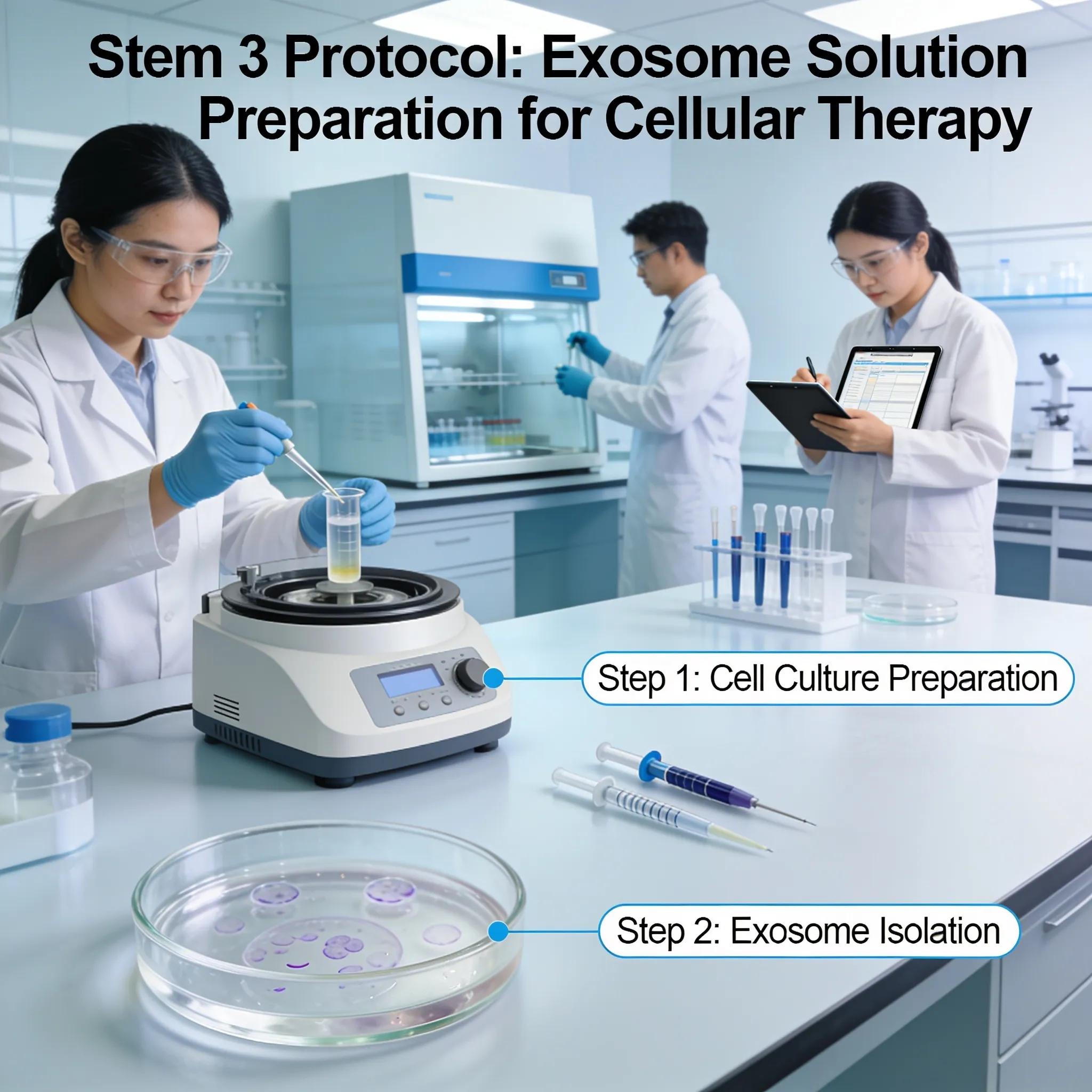
Our Stem Cell exosome formula is produced in an FDA approved lab, but is not an FDA approved therapy. It is currently in the experimental stages — all information provided is based on our experience with patients. Results may vary.