
Stem Cell Therapy for Hair Loss in New York: Non-Surgical Hair Restoration Solutions and Benefits
Medically reviewed by Dr. Charles Pereyra, MD — Medical Director, Springs Rejuvenation. Last reviewed June 12, 2026.
Written by the Springs Rejuvenation regenerative medicine team from direct clinical experience administering stem cell and regenerative procedure protocols at our Aventura, Miami center.
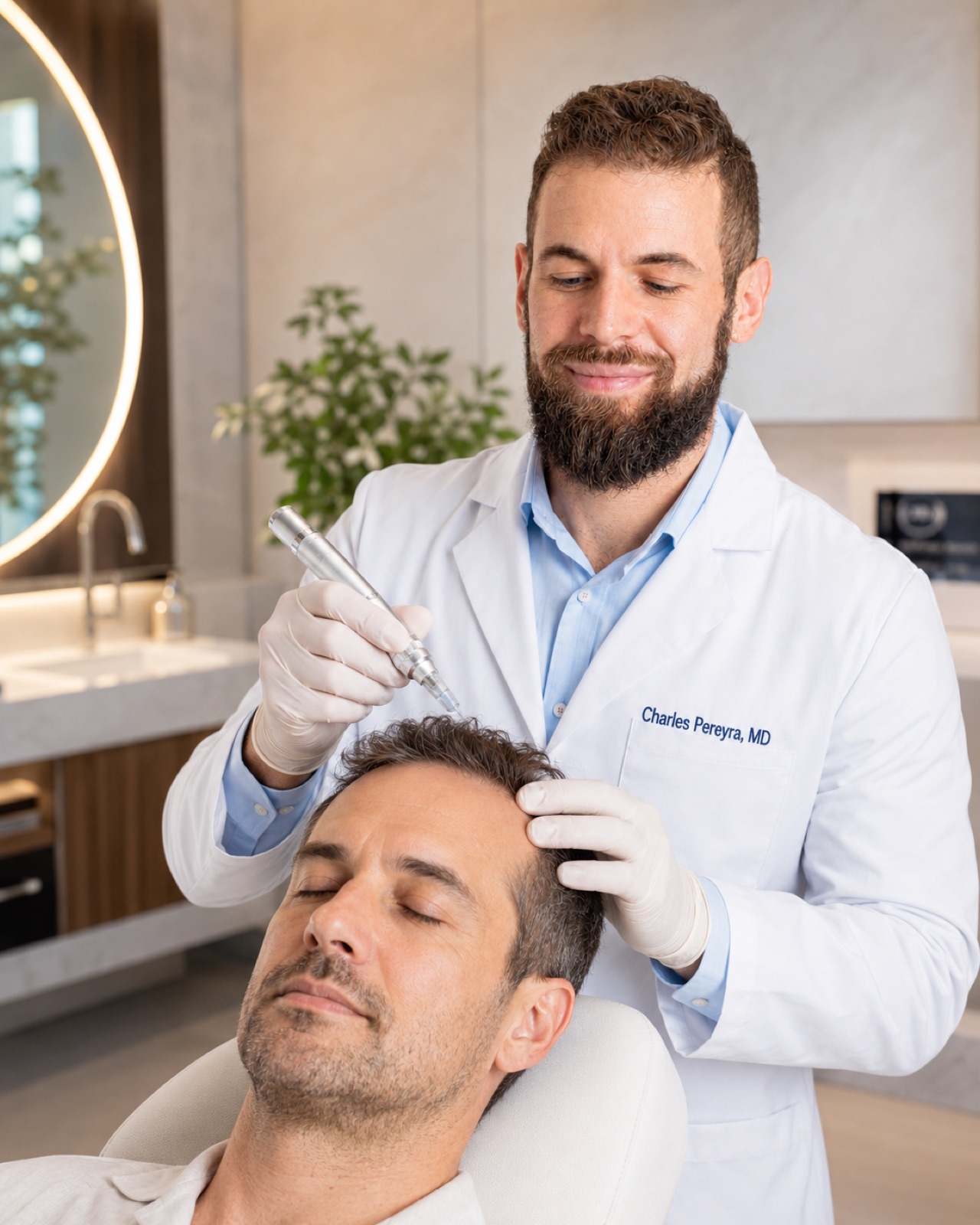
In the pursuit of effective hair restoration methods, stem cell therapy has emerged as a revolutionary non-surgical option. This innovative approach taps into the regenerative potential of stem cells, offering hope for individuals dealing with hair loss. In this article, we will explore the mechanisms, benefits, and applications of stem cell therapy for hair loss, specifically tailored for those in New York. As hair loss can have profound emotional and psychological impacts, understanding available therapy options is crucial. We will cover how stem cell therapy works, its effectiveness, and the unique advantages of opting for non-surgical methods over traditional surgical interventions.
Stem Cell Therapy for Hair Loss:
Stem cell therapy for hair loss involves utilizing the body's own stem cells to promote hair follicle regeneration. This innovative technique primarily harnesses mesenchymal stem cells (MSCs) and growth factors to stimulate dormant hair follicles, enhancing hair growth. When administered, these stem cells interact with surrounding tissues, improving blood supply and creating an optimal environment conducive to hair restoration. The primary benefit of this approach is the natural regrowth of hair, providing a well-studied and minimally invasive alternative to traditional hair transplant surgeries.
Mechanism
The mechanism behind stem cell therapy involves the activation of hair follicles through the application of MSCs. These stem cells possess the ability to differentiate into various cell types, including those that comprise hair follicles. By injecting these stem cells into the scalp, the dormant follicles are activated, leading to new hair growth. Notably, MSCs also secrete growth factors that improve blood circulation to the scalp, further enhancing the chances of successful hair regrowth. This dual action—activation of dormant hair follicles and increased blood flow—matters in the effectiveness of stem cell therapy for hair restoration.
Benefits
The benefits of stem cell therapy for hair loss are significant. Firstly, this method promotes natural hair regrowth, leading to denser and healthier hair. Secondly, patients experience improved scalp health, as the therapy triggers increased blood flow and nutrient delivery to the hair follicles. Additionally, the minimally invasive nature of stem cell therapy means reduced recovery time and lower risks of complications compared to surgical procedures. Unlike traditional hair restoration methods, which can involve painful recovery and side effects, stem cell therapy offers a more comfortable and holistic approach.
Overall Effectiveness
Recent studies demonstrate the overall effectiveness of stem cell therapy for hair loss, with many patients reporting positive outcomes. Clinics specializing in this innovative therapy, including Springs Rejuvenation in New York, have conducted numerous procedures with high patient satisfaction rates. Clinical evidence suggests that patients may begin to see results within a few months, with improvements continuing for up to a year post-therapy. As the field of regenerative medicine evolves, the future implications of stem cell therapy for hair loss appear promising, with ongoing research aimed at enhancing its effectiveness.
What is Stem Cell Therapy for Hair Loss and How Does It Work?
Stem cell therapy for hair loss is a medical therapy that employs the regenerative capabilities of stem cells to restore hair follicles. By isolating and injecting these cells into the scalp, practitioners aim to regenerate hair in areas where follicles have become inactive. The therapy usually involves collecting stem cells from the patient’s own body, typically from adipose (fat) tissue or bone marrow. This autologous aspect significantly reduces the risk of rejection or adverse reactions.
The precise working mechanism consists of the injected stem cells releasing growth factors that stimulate the surrounding tissue—activating dormant hair follicles and enhancing cellular repair processes. This promotes healthier hair production cycles and can transform a thinning area into a region of lush hair growth.
How Stem Cells Promote Hair Follicle Regeneration in NYC Patients
In New York City, various clinics, including Springs Rejuvenation, are employing cutting-edge stem cell technology to support hair restoration. The introduction of stem cells into the scalp support a rejuvenating environment for hair follicles. This is achieved through several biological processes, including:
- Increased Blood Supply: Enhancing vascularization around the hair follicles ensures they receive sufficient nutrients and oxygen critical for hair growth.
- Release of Growth Factors: Stem cells secrete vital growth factors that stimulate the follicular cells, catalyzing the transition from the telogen (resting) phase to the anagen (growth) phase of the hair cycle.
- Activation of Dermal Papilla Cells: These specialized cells are crucial in hair follicle formation and maintenance, and they respond positively to the signals provided by stem cell injections.
With these mechanisms working in tandem, patients in NYC are experiencing notable improvements in hair density and overall scalp vitality.
What Types of Hair Loss Can Stem Cell Therapy Treat?
Stem cell therapy can effectively treat various forms of hair loss, including:
- Androgenetic Alopecia: The most common form of hair loss, often seen in both men and women, characterized by thinning hair.
- Telogen Effluvium: Temporary hair loss triggered by stress or hormonal changes; regenerative therapies may assist in restoring hair follicles to their normal growth cycle.
For patients experiencing these conditions, clinics like Springs Rejuvenation offer personalized therapy plans tailored to individual needs.
Why Choose Non-Surgical Hair Restoration in New York?
Opting for non-surgical hair restoration methods like stem cell therapy presents several advantages over traditional hair transplant surgeries. Firstly, non-surgical options come with minimal risk of complications and shorter recovery times, allowing patients to resume their regular activities swiftly. The procedure usually entails the patient experiencing little to no pain due to its minimally invasive nature. Additionally, as hair is acquired from the body’s own stem cells, there is significantly less risk of allergic reactions or rejection.
Patients across New York are increasingly turning to non-surgical therapies, not only for the comfort they offer but also because they tend to yield more natural-looking results. The advancements in technology mean that these methods can effectively address hair loss while preserving the health of existing hair follicles.
Springs Rejuvenation, located at 245 5th Ave, 3rd Floor, Suite 307, New York, NY 10016, provides these innovative non-surgical options with a focus on patient satisfaction and safety.
What Are the Advantages of Stem Cell Hair therapy Compared to Surgical Methods?
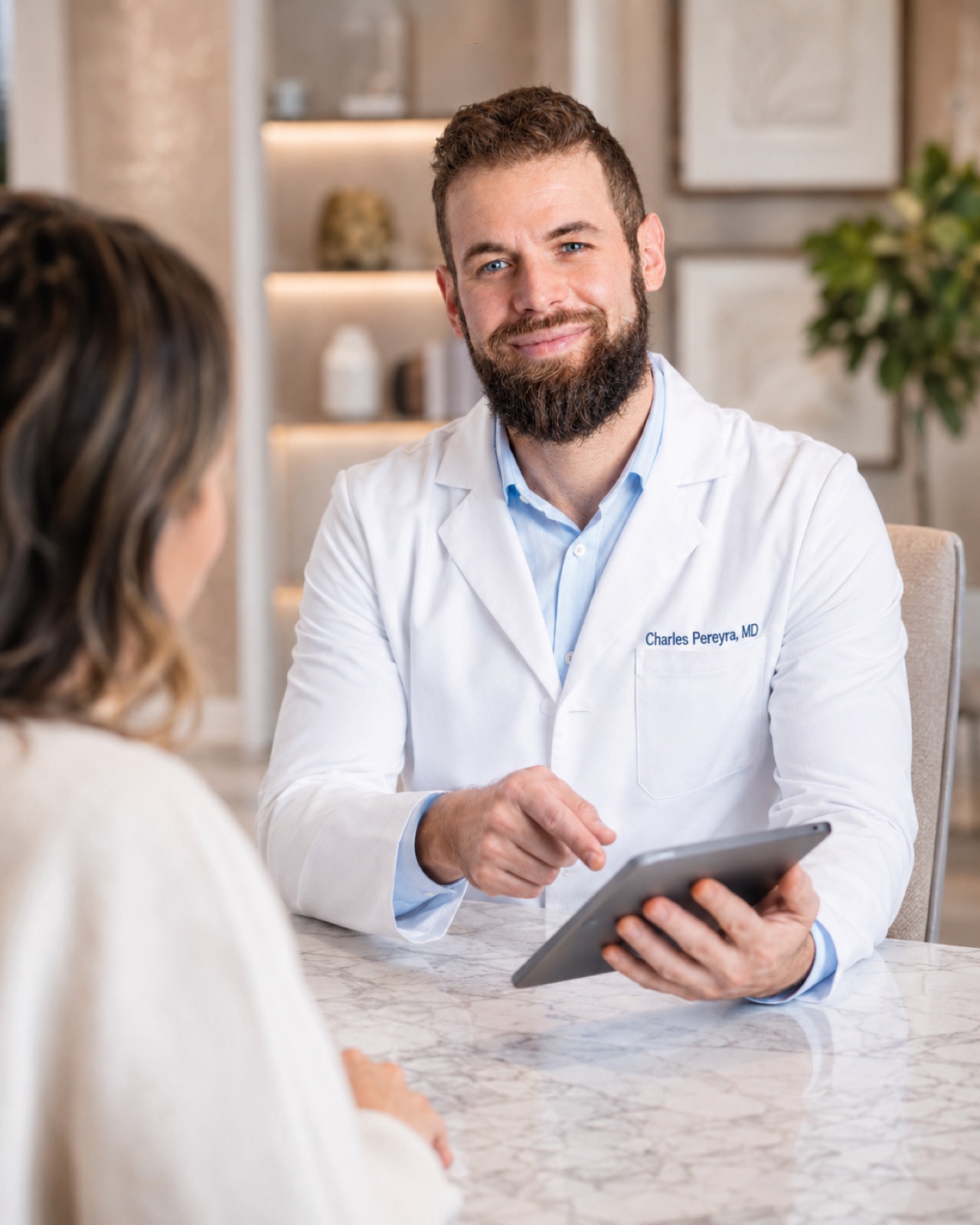
One of the primary advantages of stem cell hair therapy over surgical methods is the significantly lower risk of complications. Surgical interventions often involve incisions and grafts, which can lead to scabbing, infection, and prolonged healing times. In contrast, stem cell therapies are minimally invasive, requiring only localized injections.
Additionally, the natural results produced from stem cell therapy tend to be more aesthetically pleasing and gradual. This approach allows for subtle hair regrowth, which minimizes the stark contrasts that may occur with traditional hair transplant methods. Furthermore, stem cell therapy has the added benefit of improving scalp health overall, which can contribute positively to future hair growth.
How Does regenerative protocol Enhance Hair Regrowth Outcomes?
regenerative protocol represents an advanced application within the realm of regenerative medicine, particularly for hair regrowth. regenerative procedures are microscopic vesicles secreted by stem cells and matters in cell-to-cell communication. They contain growth factors and proteins that can significantly enhance healing and tissue regeneration.
The inclusion of regenerative procedures in hair restoration therapies leads to a more robust activation of the hair follicle regeneration process. By amplifying the effectiveness of stem cells, regenerative protocol can accelerate hair growth timelines and improve overall therapy outcomes. This innovative approach is swiftly gaining popularity among regenerative clinics and is an integral part of advanced therapy protocols offered by establishments like Springs Rejuvenation.
Which Regenerative Hair Restoration Clinics in NYC Offer Stem Cell and regenerative procedure Therapies?
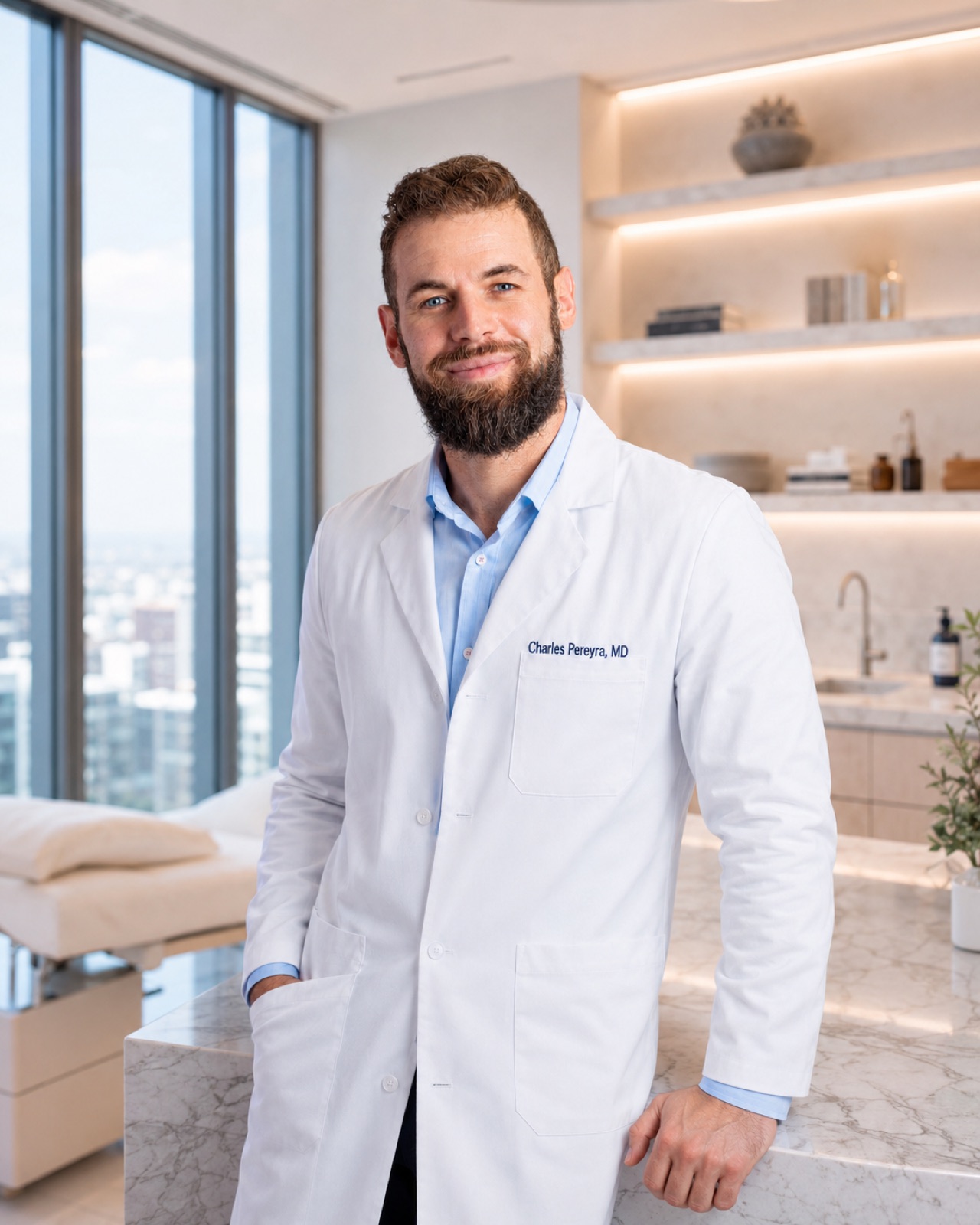
In New York City, several clinics are at the forefront of regenerative hair restoration therapies, prominently featuring stem cell and regenerative procedure therapies. Notable among them is Springs Rejuvenation, which has achieved remarkable patient satisfaction through its comprehensive approach to hair loss. Clinics in NYC typically offer a combination of stem cell therapy and regenerative procedure therapies, maximizing results while ensuring patient comfort.
Research indicates that the integration of both therapies can enhance the regenerative outcomes, providing patients with a potent option for tackling hair loss. It is critical for prospective patients to choose clinics with experienced practitioners and proven protocols to ensure the highest chances of success.
What Should You Look for When Choosing a Regenerative Hair Clinic in New York?
When selecting a regenerative hair clinic in New York, prospective patients should consider several essential factors:
- Credentials and Experience: Ensuring that the practitioners are well-trained and experienced in regenerative therapies is crucial.
- Patient Reviews and Satisfaction Rates: Research clinics with high satisfaction rates, like Springs Rejuvenation, which boasts a noteworthy patient satisfaction rate.
- Technological Advancements: Clinics that utilize the latest techniques and technologies will offer more effective solutions.
- Personalized therapy Plans: Look for clinics that tailor therapies based on individual conditions and goals.
By thoughtfully evaluating these considerations, individuals can make informed decisions about their hair restoration journey.
How Do NYC Clinics Integrate Advanced Stem Cell and regenerative procedure therapies?
In New York City, clinics integrate advanced stem cell and regenerative procedure therapies through a comprehensive approach to hair restoration. This involves assessing the patient's specific hair loss condition, determining the most appropriate therapy combination, and implementing a structured therapy plan.
Typically, the integration process begins with a thorough consultation, followed by a detailed evaluation of the patient's hair and scalp health. After establishing a baseline, clinics often administer a series of stem cell injections alongside regenerative protocol to enhance the therapy's effectiveness. This synergistic approach not only boosts hair regrowth outcomes but also promotes overall scalp health.
Institutions such as Springs Rejuvenation pride themselves on employing state-of-the-art equipment and the latest techniques in regenerative medicine, ensuring optimal results for their patients.
What Does a Stem Cell Hair therapy Procedure Involve?
The stem cell hair therapy procedure is designed to be straightforward and minimally invasive. Here’s a brief overview of what to expect:
- Consultation: A thorough discussion with a physician to assess health history and therapy goals.
- Preparation: Collection of stem cells from the patient's own body typically through liposuction to gather adipose-derived stem cells.
- Injection: The harvested cells are processed and injected into the scalp at targeted areas where hair loss is evident.
- Post-Procedure Care: Patients receive guidance on post-therapy care to optimize recovery and results.
This entire process is generally completed within a few hours, allowing patients to return to their normal activities quickly.
How well-studied and Effective Are These therapies According to Recent Studies?
Recent studies highlight the safety and efficacy of stem cell and regenerative procedure therapies in supporting hair loss. Evidence collected from clinical trials indicates that patients experience minimal side effects, primarily localized discomfort. Furthermore, the fast-acting nature of these therapies means that users can expect to see noticeable improvements within just a few months.
Current research is emphasizing the potential of stem cell therapies, suggesting not only their safety but also their effectiveness in support significant hair regrowth. Many patients report sustained results, contributing to the growing body of evidence advocating for these alternative methods in hair restoration.
What Are the Costs, Safety, and Frequently Asked Questions About Stem Cell Hair Therapy in NYC?
The costs associated with stem cell hair therapy in New York can vary significantly based on the complexity of the therapy and the clinic's reputation. Typically, the price ranges from $2,000 to $5,000, depending on the specific methodologies and technologies employed.
Regarding safety, these therapies are generally considered minimally invasive, with reported adverse effects being rare. Patients can expect to return to normal activities shortly after therapy. Addressing common concerns, patients often wonder about the longevity of results and any necessary follow-up therapies.
Sustained improvements from stem cell therapies can last for several years, with many clinics offering follow-up sessions to enhance and maintain results.
Medical Disclaimer: Stem cell and regenerative protocol is not an FDA approved therapy and is considered to be in the experimental stages. These statements have not been evaluated by the FDA and are not intended to diagnose, treat, cure, or prevent any disease. Springs Rejuvenation processes regenerative procedures in an FDA approved lab. Individual results may vary. This content is reviewed for medical accuracy by Dr. Charles Pereyra, MD, Medical Director of Springs Rejuvenation, and is provided for educational purposes only. Always consult a qualified physician.