
Stem Cell and regenerative protocol in Los Angeles for Regenerative Hair and Joint Care: Comprehensive therapy Options and Benefits
Medically reviewed by Dr. Charles Pereyra, MD — Medical Director, Springs Rejuvenation. Last reviewed June 12, 2026.
Written by the Springs Rejuvenation regenerative medicine team from direct clinical experience administering stem cell and regenerative procedure protocols at our Aventura, Miami center.
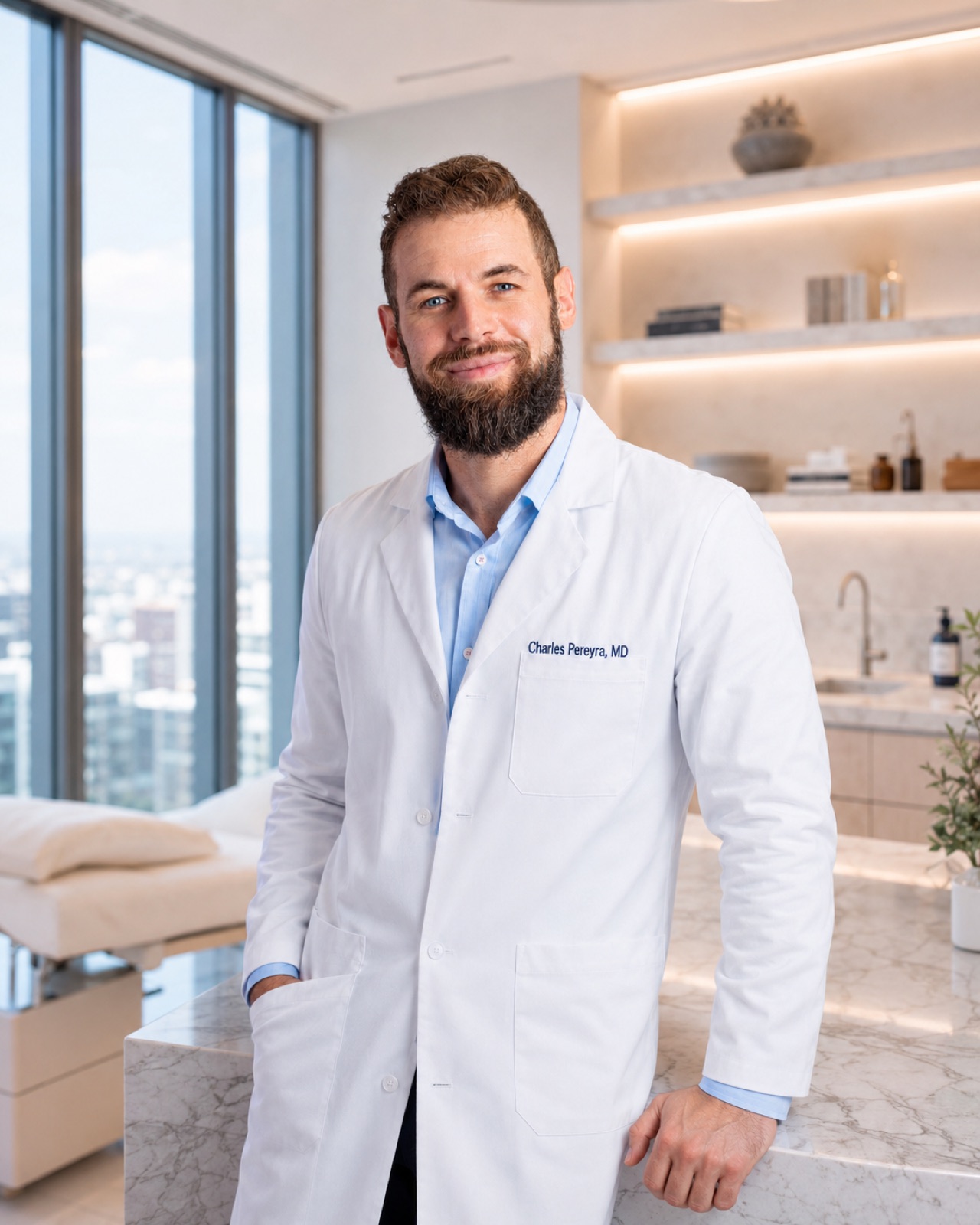
Stem cell and regenerative protocol have emerged as revolutionary approaches in regenerative medicine, providing solutions for individuals seeking both aesthetic and functional improvement. In Los Angeles, various clinics are now specializing in these advanced therapies. This article look at the mechanisms, benefits, and specific therapy options available, offering a comprehensive overview for potential patients. By understanding both stem cell and regenerative procedure therapies, individuals can make informed decisions about their healthcare choices in regenerative hair and joint care.
Stem Cell and regenerative protocol in Los Angeles: therapy Options and Benefits for Hair and Joint Care
Stem cell therapy and regenerative protocol represent cutting-edge innovations in regenerative medicine, providing promising results for hair restoration and joint pain alleviation. These procedures harness the body’s innate ability to supports through biological agents like stem cells and regenerative procedures, which carry important signaling molecules and growth factors that can rejuvenate tissues and promote recovery.
Overview:
Stem cell therapy involves the use of cells that have the potential to differentiate into various types of cells in the body, aiding in the repair of damaged tissues. In the context of hair restoration, these therapies often utilize mesenchymal stem cells, which support hair follicle regeneration and boost hair growth. Similarly, regenerative protocol revolves around the application of regenerative procedures—tiny vesicles that facilitate cellular communication and promote healing by transferring proteins, lipids, and RNA to other cells. This form of therapy is especially relevant in supporting joint ailments by stimulating healing processes and reducing inflammation.
therapy Options
The primary applications of stem cell and regenerative protocol in Los Angeles include:
- Hair Restoration: This non-surgical approach employs mesenchymal stem cells to enhance hair growth in individuals experiencing hair loss. therapy protocols typically involve the extraction of stem cells from adipose (fat) tissue, followed by direct injection into the scalp.
- Joint Care: regenerative protocol serves as a novel therapy for joint pain, utilizing regenerative procedures derived from stem cells to promote healing and tissue regeneration in areas affected by injury or degeneration.
To illustrate the distinctions between these two therapy modalities, the following table compares their core characteristics and potential benefits:
| Therapy Type | Procedure Description | Key Benefits | Suitability |
|---|---|---|---|
| Stem Cell Therapy | Involves harvesting and injecting stem cells into affected areas. | Promotes hair follicle regeneration; stimulates growth factors. | Ideal for hair loss patients. |
| regenerative protocol | Uses regenerative procedures derived from stem cells for injection into joints. | Reduces inflammation; enhances tissue repair and recovery time. | Suitable for joint pain and degeneration. |
The application of these therapies presents significant advantages including minimally invasive procedures, reduced recovery times compared to traditional surgical options, and a holistic approach to healing.
What Is Stem Cell Therapy for Hair Restoration in Los Angeles?
Stem cell therapy for hair restoration utilizes specific types of stem cells, primarily mesenchymal stem cells, to promote hair regrowth in individuals with thinning hair or androgenetic alopecia. The therapy works by rejuvenating inactive hair follicles and stimulating the growth phase of hair. Patients typically experience noticeable improvements in hair density and health after a series of therapies, making it a compelling choice for those seeking non-surgical options for hair restoration.
How Do Mesenchymal Stem Cells Promote Hair Growth?
Mesenchymal stem cells promote hair growth through several mechanisms. These cells not only differentiate into hair follicle cells but also release various growth factors that encourage cellular activity in the scalp. The presence of extracellular matrix components helps to physically support the hair follicles, contributing to enhanced growth and thickness of the hair strands. Research indicates that therapies utilizing these stem cells can lead to significant improvements in hair health and patient satisfaction.
What Are the Advantages of Non-Surgical Hair Restoration therapies?
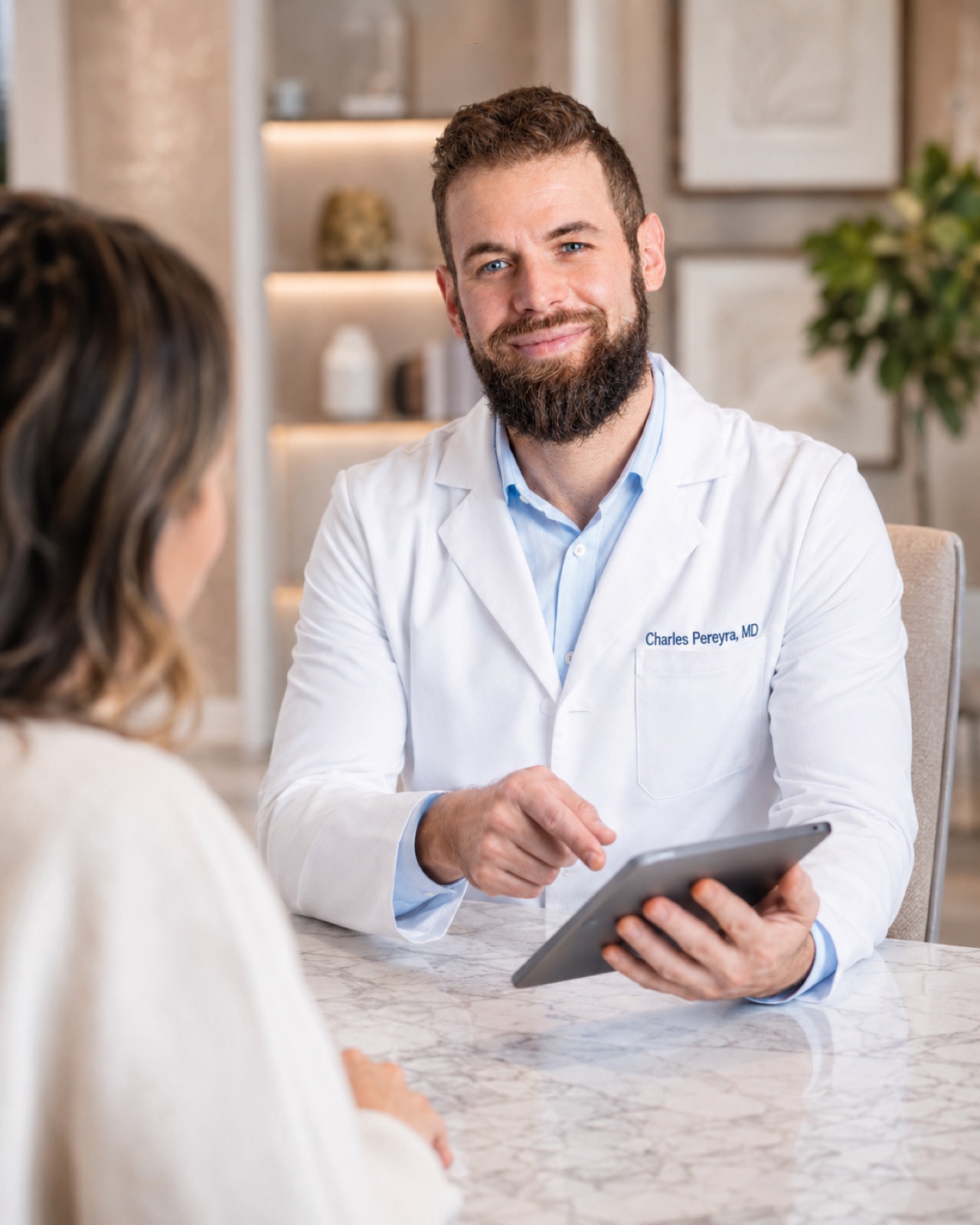
Non-surgical hair restoration therapies, particularly those involving stem cell therapy, offer several advantages over traditional surgical methods: Minimally Invasive: The procedures are performed without the need for extensive surgeries or long recovery times. Quick Recovery: Patients often return to normal activities within a short period following therapy. Cost-Effectiveness: Non-surgical options typically incur lower overall costs compared to surgical alternatives, making them accessible for a wider range of patients. These benefits make non-surgical approaches increasingly popular among individuals pursuing hair restoration.
How Does regenerative protocol Improve Joint Pain and Regeneration?
regenerative protocol addresses joint pain by utilizing regenerative procedures to facilitate healing processes within damaged tissues. These vesicles are rich in proteins and growth factors that activate local stem cells, leading to enhanced tissue repair and regeneration. regenerative protocol can result in decreased inflammation, improved joint function, and boosted recovery times, serving as a viable alternative to invasive surgical procedures.
What Are Exosomal Vesicles and Their Role in Joint Repair?
Exosomal vesicles are tiny cellular messengers that facilitate intercellular communication. They play an essential role in joint repair by delivering key bioactive molecules that influence the behavior of nearby cells. For example, regenerative procedures can enhance cellular growth and discourage apoptosis (cell death) in damaged tissues. The therapeutic potential of exosomal vesicles makes them a powerful tool in regenerative medicine, particularly for joint conditions.
Why Choose regenerative procedure Regenerative therapies for Joint Care?
Choosing regenerative procedure regenerative therapies for joint care offers several advantages: Minimally Invasive: The procedures are less invasive than traditional surgeries, reducing recovery times. Fast-Acting Results: Many patients report significant improvements in symptoms within weeks of therapy. Natural Healing Process: These therapies enhance the body’s natural ability to supports, utilizing components derived from the patient’s own tissues. This holistic approach to therapy promotes patient confidence in the safety and efficacy of regenerative procedure therapies for joint issues.
How Do Stem Cell and regenerative procedure Therapies Compare for Hair and Joint Conditions?
When comparing stem cell and regenerative procedure therapies, it's important to understand their unique applications and outcomes. Both therapies utilize the regenerative properties of biological substances, yet they serve different functions. While stem cell therapy focuses on providing the building blocks needed for growth and repair, regenerative protocol enhances communication and signaling between cells to optimize healing. Overall, both therapies may complement each other, offering synergistic benefits to patients seeking comprehensive therapy options.
What Are the Differences in Efficacy Between Stem Cell and regenerative procedure therapies?
The efficacy of stem cell versus regenerative procedure therapies can vary based on individual conditions and target areas. Stem cell therapy tends to provide direct growth and regenerative functions, while regenerative protocol primarily enhances the healing environment through feedback signaling. As research progresses, understanding these nuances will help clinicians tailor therapies to each patient’s specific needs and potentially improve overall outcomes.
Can Combined Stem Cell and regenerative procedure Protocols Enhance therapy Outcomes?
Emerging evidence suggests that combining stem cell and regenerative procedure therapies may lead to enhanced therapy outcomes. By leveraging the unique mechanisms of both approaches, clinicians can optimize healing processes and regenerate tissues more effectively. Clinical trials are ongoing to evaluate the benefits of using combined therapies for both hair restoration and joint care, providing exciting prospects for future therapy advancements.
What Are Patient Experiences and Outcomes with Regenerative Hair and Joint Care in Los Angeles?
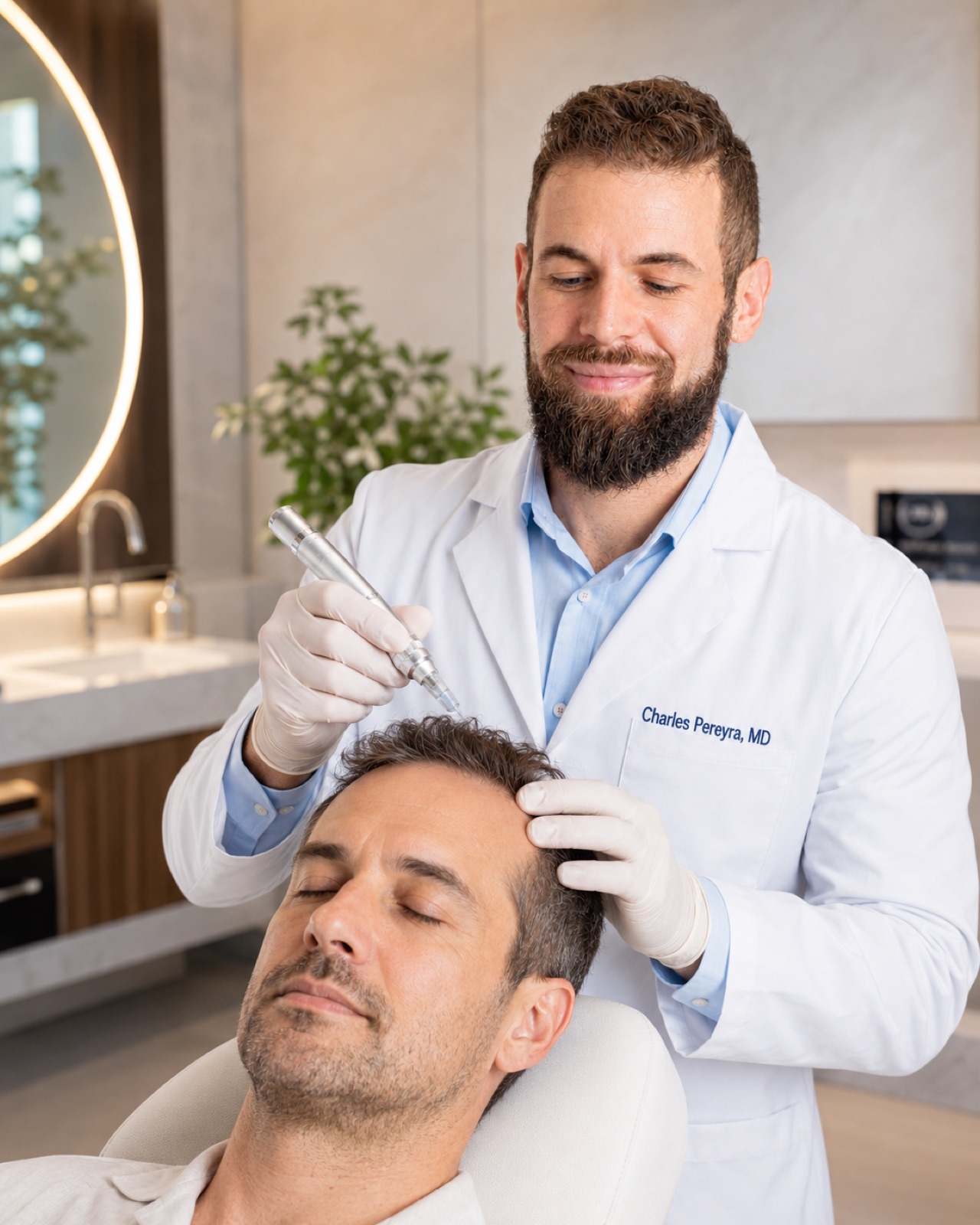
Patient experiences with regenerative therapies often reveal a positive correlation between therapy and quality of life improvements. Many individuals report noticeable changes in hair density and joint mobility following stem cell and regenerative procedure therapies. Testimonials highlight improvements in daily functioning, increased self-esteem due to enhanced appearances, and overall satisfaction with minimally invasive procedures.
What Do Patient Testimonials Reveal About Stem Cell Hair Restoration Success?
Many patients undergoing stem cell therapy for hair restoration share success stories about regaining their confidence and youthful appearance. The transformative impact of visible hair regrowth can lead to significant emotional and psychological benefits, as consumers often express how they feel more in control and satisfied with their aesthetic choices.
How Effective Are regenerative procedure Therapies in Reducing Joint Pain According to Patients?
Patient testimonials regarding regenerative protocol for joint pain consistently emphasize decreased discomfort and improved mobility post-therapy. Many individuals report quick recovery times, allowing them to return to favorite physical activities. These positive outcomes reinforce the growing popularity of regenerative procedure therapies in joint care as viable alternatives to traditional methods.
What Recent Advances and Research Are Shaping Regenerative therapies in 2026?
Recent advancements in regenerative therapies are primarily focused on improving the efficacy and safety of stem cell and regenerative procedure therapies. Developments in understanding cellular mechanisms are driving innovative approaches, with research suggesting enhanced combinations and novel applications for specific conditions.
What Regulatory Updates Improve Safety and Accessibility of Stem Cell and regenerative procedure Therapies?
Recent regulatory updates aim to streamline approval processes for regenerative therapies, making them more accessible to patients. Enhanced safety protocols are being established to ensure that these therapies adhere to stringent medical standards, support confidence among potential patients as they navigate their healthcare options.
How Are Latest 2026 Scientific Findings Influencing Hair and Joint Regenerative Care?
The latest scientific findings indicate a shift toward more personalized therapy approaches in regenerative care. As research uncovers patient-specific responses to therapies, practitioners are adapting their methods to optimize therapy protocols. By implementing evidence-based approaches backed by burgeoning research from 2026, clinics aim to improve outcomes and ensure patient satisfaction.
Where to Find the Best Stem Cell Clinics in Los Angeles for Regenerative therapies?
In Los Angeles, numerous clinics offer stem cell therapies specializing in regenerative medicine. Patients are encouraged to research clinics that focus on evidence-based practices, qualified practitioners, and transparent therapy protocols to ensure optimal care.
What Criteria Define Top Stem Cell and regenerative protocol Providers in Los Angeles?
Choosing the right provider for stem cell and regenerative procedure therapies involves considering several criteria: Qualifications and Experience: Ensure that medical professionals are highly trained in regenerative medicine. Patient Satisfaction Metrics: Research reviews and testimonials from previous patients. therapy Success Rates: Look for clinics that offer clear statistics on patient outcomes and efficacy of therapies provided.
How to Evaluate therapy Costs and Suitability for Regenerative Hair and Joint Care?
Evaluating the costs associated with regenerative therapies is crucial for patients to make informed decisions. Costs can vary based on therapy protocols, expected outcomes, and individual needs. Patients should assess their financial options and consult with healthcare providers to discuss possible eligibility and therapy suitability. Understanding the value of these innovative therapies can lead to empowered healthcare decisions.
Medical Disclaimer: Stem cell and regenerative protocol is not an FDA approved therapy and is considered to be in the experimental stages. These statements have not been evaluated by the FDA and are not intended to diagnose, treat, cure, or prevent any disease. Springs Rejuvenation processes regenerative procedures in an FDA approved lab. Individual results may vary. This content is reviewed for medical accuracy by Dr. Charles Pereyra, MD, Medical Director of Springs Rejuvenation, and is provided for educational purposes only. Always consult a qualified physician.