
Non-Surgical Joint Pain Therapy with regenerative procedure Joint Injection: Effective Regenerative Therapy for Pain Relief
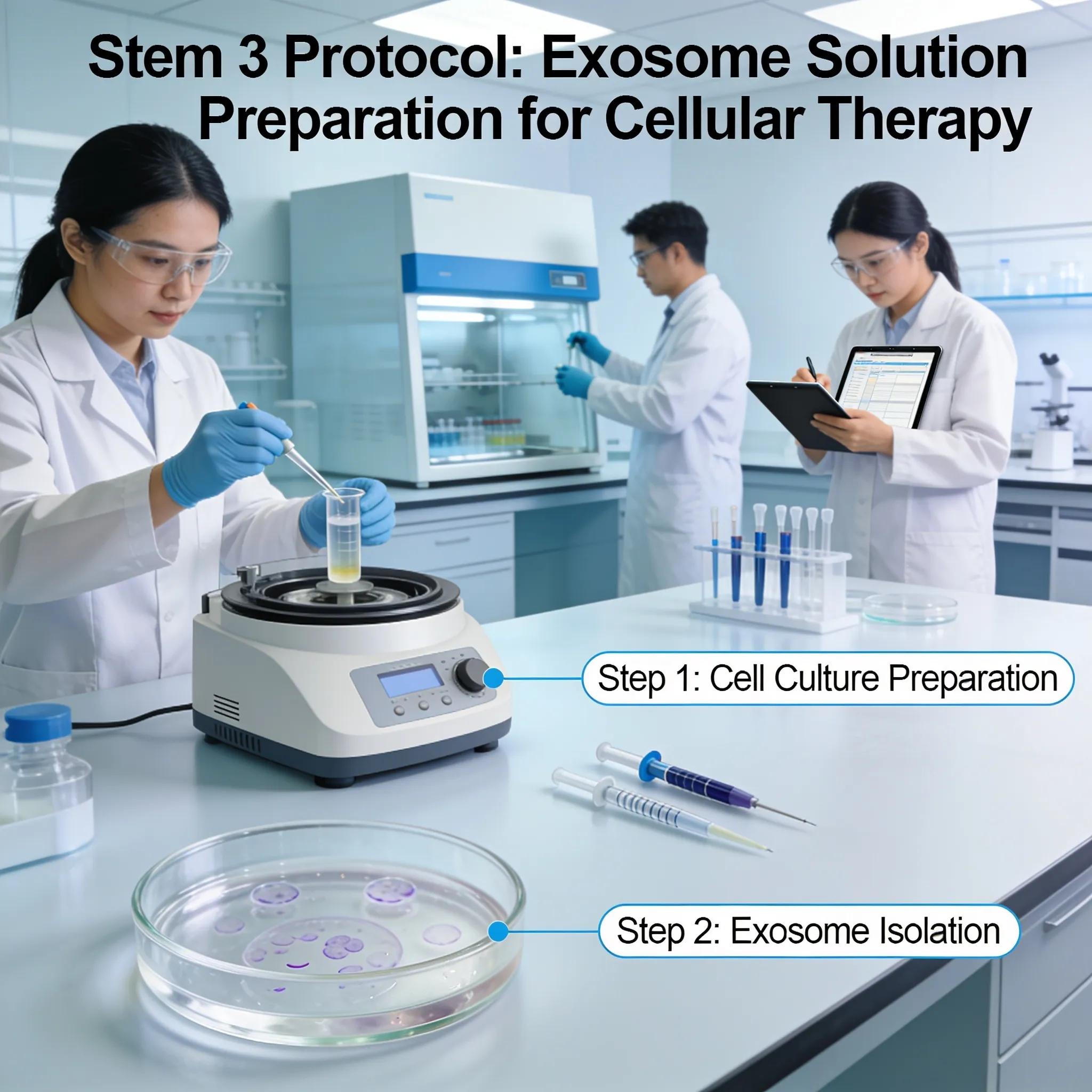
Healthcare professional preparing regenerative procedures for joint pain therapy
regenerative procedure joint injection therapy represents a cutting-edge approach to managing non-surgical joint pain, leveraging the body's natural regenerative properties. This comprehensive guide explores the effectiveness, mechanisms, and benefits of stem cell regenerative procedures therapy, shedding light on how it alleviates discomfort associated with various joint conditions. Joint pain can significantly impact one's quality of life, leading many to seek alternatives to conventional therapies that often involve invasive procedures or medication. Stem cell regenerative procedures therapy emerges as a promising minimally invasive option that not only targets pain relief but also aims to promote regenerative processes. In this article, we'll delve into the effectiveness of this therapy, how it works, potential risks, and the specific joint conditions that can benefit from regenerative procedure joint injection therapies.
Effectiveness
regenerative procedure joint injection therapy has shown considerable effectiveness in managing joint pain, as supported by numerous clinical studies. Research has demonstrated significant improvement in pain levels and joint function for many patients. For instance, participants often note results may begin as early as 60-90 days after one or two therapy sessions, indicating that this regenerative therapy may delay or even eliminate the need for more invasive surgical options. A range of clinical outcomes suggests that stem cell regenerative procedures therapy can be a viable alternative for those experiencing chronic joint discomfort.
Further clinical experiments confirm that regenerative procedure joint injection therapy demonstrates effectiveness without zero major reported side effects for patients with osteoarthritis.
Clinical Efficacy and Safety of regenerative procedure Joint Injection Therapy for Knee Osteoarthritis
Finally, clinical experiments confirmed that hUC-MSC- Exos injection therapy of OA patients did not cause any adverse consequences, and a certain degree of effectiveness was found in the comparison of clinical scores and MRI examinations before and after therapy. Injection of human umbilical cord mesenchymal stem cells regenerative procedures for the therapy of knee osteoarthritis: from preclinical to clinical research, 2025
Mechanisms of Action
regenerative procedure joint injection therapy operates through a precise mechanism that promotes regenerative healing and tissue repair. regenerative procedures are tiny regenerative procedures that facilitate communication between cells, allowing them to exchange essential growth factors and proteins. This cellular communication not only aids in reducing inflammation but also stimulates cartilage repair processes. The presence of growth factors within stem cell regenerative procedures plays a crucial role in enhancing the body’s regenerative capacity, leading to long-lasting relief from joint pain.
The role of regenerative procedures in mediating cellular communication and tissue repair highlights their potential in managing various chronic pain conditions.
regenerative procedures and regenerative procedures for Chronic Pain Management
regenerative procedures, including regenerative procedures, are nano-sized structures released by cells, facilitating cellular communication through bioactive molecule transfer, and offering potential regenerative properties to damaged tissues. Here, we review the potential of regenerative procedures and regenerative procedures for the management of chronic pain. An update on emerging regenerative medicine applications: the use of regenerative procedures and regenerative procedures for the management of chronic pain, 2024
Benefits
Utilizing stem cell regenerative procedures for joint pain presents numerous advantages over traditional therapy methods. Notably, this minimally invasive option significantly reduces the risks associated with surgical interventions, promoting a safer recovery process. Other benefits include rapid healing times and minimal downtime, allowing patients to resume their daily activities quicker than with conventional therapies. Furthermore, stem cell regenerative procedures therapy takes a holistic health approach, targeting the underlying issues of pain rather than simply masking symptoms.
Potential Risks
While stem cell regenerative procedures therapy boasts many benefits, it's essential to consider potential risks and side effects. Generally, patients experience mild side effects, such as localized discomfort at the injection site or short-lived flu-like symptoms. Zero major reported side effects have been documented; however, ongoing research is necessary to assess the long-term effects of regenerative procedure joint injection therapy fully. Patients are encouraged to discuss their health history and any concerns with a qualified healthcare provider prior to undergoing this therapy.
What Is Stem Cell regenerative procedures Therapy and How Does It Alleviate Non-Surgical Joint Pain?
Stem cell regenerative procedures therapy involves the use of regenerative procedure joint injections derived from stem cells, aimed at addressing non-surgical joint pain through regenerative therapy. By harnessing the body’s own healing capabilities, this innovative minimally invasive approach focuses on promoting tissue repair and reducing inflammation. Through the administration of regenerative procedure joint injections, patients may experience substantial pain relief and restored joint functionality over time.
Which Joint Conditions Can Benefit from regenerative procedure Joint Injection Therapies?
regenerative procedure joint injection therapies can be beneficial for various joint conditions. Primarily, osteoarthritis is effectively managed with this regenerative approach, helping patients regain mobility and ease discomfort. Moreover, regenerative procedure joint injection therapy can be applied to tendon and ligament injuries, providing a targeted approach that enhances healing processes. The versatility of regenerative procedure joint injection therapy makes it a promising option for individuals experiencing different types of joint-related issues.
The increasing prevalence of osteoarthritis highlights the need for effective new therapies, with stem cell regenerative procedures showing considerable promise.
regenerative protocol for Osteoarthritis: Efficacy and Clinical Potential
In recent years, the increasing incidence of osteoarthritis (OA) has attracted widespread public attention; however, the available effective therapies are limited. As a result, new regenerative approaches, including stem cell and regenerative procedure therapies, have been proposed and are gradually gaining popularity. Because regenerative procedures are immunocompatible, there is thought to be more potential for their use in clinical settings. This study summarizes the efficacy of regenerative procedures in the therapy of OA. Intra-articular injection of regenerative procedures derived from different stem cells in animal models of osteoarthritis: a systematic review and meta-analysis, 2024
Can Stem Cell regenerative procedures Therapy Manage Osteoarthritis and Rheumatoid Arthritis Effectively?
Stem cell regenerative procedures therapy has demonstrated significant effectiveness in managing osteoarthritis, with clinical data indicating considerable improvement in symptoms and joint function. While ongoing research explores its potential in managing rheumatoid arthritis, early findings suggest that regenerative procedure joint injection therapy may offer benefits for these patients as well. With its regenerative properties, stem cell regenerative procedures therapy presents hope for individuals with chronic inflammatory joint conditions.
Are Other Joint Pain Types Suitable for Minimally Invasive regenerative procedure Joint Injection Therapy?
Besides osteoarthritis, various degenerative conditions can be suited for stem cell regenerative procedures therapy. Patients with other joint pain types, including those stemming from injuries or age-related degeneration, may find relief through this minimally invasive therapy. The customization of therapy based on patient history and specific joint problems ensures that regenerative procedure joint injections can effectively target multiple types of discomfort.
What Is the regenerative procedure Joint Injection Procedure for Minimally Invasive Non-Surgical Joint Pain Therapy?
Patient receiving regenerative procedures therapy for joint pain in a clinical setting
The regenerative procedure joint injection procedure begins with a thorough consultation and assessment by Dr. Charles Pereyra, MD, a healthcare professional specializing in regenerative therapies. This step is crucial to tailor the therapy to the patient's specific needs and condition. Following these evaluations, the preparation includes the extraction of stem cell regenerative procedures and its preparation for injection. Post-procedure, patients receive aftercare guidance to ensure optimal recovery and outcomes. The entire process aims to provide a seamless experience while prioritizing patient safety and comfort.
What can patients expect during the regenerative procedure joint injection therapy sessions?
During the regenerative procedure joint injection therapy sessions, patients can expect a straightforward process that typically lasts a short duration. Dr. Charles Pereyra, MD administers the injection(s) directly into the affected joint(s), using imaging technology to enhance precision. Immediately after the procedure, patients might experience some localized tenderness but can generally resume normal activities with minimal disruption. Proper aftercare, including rest and monitoring for any unusual reactions, is advised.
How is the procedure customized for different joint types and pain severity?
Customization of the regenerative procedure joint injection procedure is vital as it caters to individual patient needs based on assessed joint types and pain severity. Dr. Charles Pereyra, MD evaluates the specific conditions of the patient’s joints, considering factors such as previous injuries or existing medical conditions. This tailored approach ensures that the volumes and concentrations of stem cell regenerative procedures used are optimal for effective therapy outcomes, promoting enhanced healing based on each patient’s requirements.
Is Stem Cell regenerative procedures Therapy well-tolerated? What Are the Risks and Side Effects?
Stem cell regenerative procedures therapy is generally considered well-tolerated, with many patients experiencing minimal side effects. The most common mild side effects include discomfort at the injection site, which typically resolves within a few days. Rarely, patients may report transient flu-like symptoms. To ensure safety, healthcare providers conduct thorough consultations to identify any contraindications or precautions relevant to individual patients before proceeding with therapy.
What are the common side effects reported after regenerative procedure joint injections?
Common side effects reported after regenerative procedure joint injections are predominantly mild. Patients may experience slight discomfort at the site of the injection, which usually subsides quickly. Some individuals have noted flu-like symptoms, but these occurrences are uncommon. Understanding these potential reactions in advance can help set proper expectations and enhance the overall patient experience during therapy.
Are there any contraindications or precautions for stem cell regenerative procedures therapy?
Certain contraindications and precautions must be considered before commencing stem cell regenerative procedures therapy. Individuals with a history of adverse reactions to injections, certain autoimmune conditions, or those who are pregnant should consult with healthcare providers to ensure the therapy is appropriate. The importance of thorough pre-therapy assessments is emphasized to safeguard patient health and optimize therapy outcomes.
What Does Clinical Research Reveal About the Effectiveness of regenerative procedure Joint Injection Therapies?
Clinical research continues to shed light on the effectiveness of regenerative procedure joint injection therapies, with studies indicating promising results for those experiencing non-surgical joint pain. The application of stem cell regenerative procedures in various clinical settings has shown significant improvement in joint health and pain reduction. Individuals are encouraged to review existing research and consult with healthcare providers about the most current findings in this evolving field.
What are the latest 2025-2026 clinical trial results on regenerative procedure joint injection therapy?
The latest clinical trials conducted in 2023 and 2024 have reported encouraging results in tracking the efficacy of regenerative procedure joint injection therapy for joint pain management. Preliminary outcomes suggest enhanced pain relief and improved functionality in patients treated with regenerative procedure joint injections. Ongoing investigations aim to further validate these findings and explore the long-term benefits of this innovative approach to joint health. For more details on ongoing studies, you can explore recent findings in clinical trials.
How does regenerative procedure joint injection therapy compare to other regenerative injections like stem cell or PRP therapies?
When comparing regenerative procedure joint injection therapy to other regenerative injections, such as stem cell therapy or platelet-rich plasma (PRP), stem cell regenerative procedures has demonstrated a unique advantage in promoting tissue regeneration and reducing inflammation. Its smaller size allows for better cellular communication and delivery of growth factors directly to affected areas. This comparative analysis highlights the innovation of regenerative procedure joint injection therapy as a potentially superior option for regenerative medicine. The advancements in this field continue to expand therapy possibilities.
How Much Do regenerative procedure Joint Pain Injection Therapies Cost and Are They Covered by Insurance?
Understanding the cost of regenerative procedure joint pain injection therapies is crucial for patients considering this therapy. Several factors influence pricing, including geographical location, the complexity of the procedure, and the expertise of the healthcare provider. Patients should also inquire about the possibility of insurance coverage for regenerative joint injection therapies, as this can vary significantly depending on individual policies. Exploring different joint pain therapies can help patients make informed decisions.
What factors influence the cost of regenerative procedure joint injection therapy?
The cost of regenerative procedure joint injection therapy can be influenced by multiple factors. Key elements include the location of the therapy facility, the complexity of the procedures performed, and the specific techniques used in the preparation of stem cell regenerative procedures. Additionally, the expertise and reputation of the healthcare provider can also impact pricing. Thus, patients are encouraged to consider these aspects when evaluating their therapy options.
Is insurance coverage available for regenerative joint injection therapies?
Insurance coverage for regenerative joint injection therapies, including stem cell regenerative procedures therapy, can be inconsistent. It's crucial for patients to verify with their insurance providers to determine what portion of the therapy costs may be covered. Consulting with healthcare professionals can also provide insights and assistance in navigating insurance inquiries effectively. Understanding the potential financial implications can aid patients in making informed decisions about their therapy options.
Our stem cell regenerative procedure protocols are produced in FDA-registered labs but are not FDA-approved therapies.
Our Stem Cell exosome formula is produced in an FDA approved lab, but is not an FDA approved therapy. It is currently in the experimental stages — all information provided is based on our experience with patients. Results may vary.