
MUSE Cells vs regenerative procedures in Regenerative Medicine: Key Differences and Therapeutic Insights
Medically reviewed by Dr. Charles Pereyra, MD — Medical Director, Springs Rejuvenation. Last reviewed June 9, 2026.
Written by the Springs Rejuvenation regenerative medicine team from direct clinical experience administering stem cell and regenerative procedure protocols at our Aventura, Miami center.
Understanding the distinct roles and mechanisms of MUSE cells and regenerative procedures is paramount in advancing regenerative medicine. MUSE cells, characterized as multipotent stem cells, demonstrate unique regenerative characteristics, while regenerative procedures serve as vital mediators in cellular communication and tissue repair. This article will clarify the differences between these two entities and elucidate their respective applications in therapeutic contexts. Challenges lie in choosing the right approach for specific medical conditions, and each option offers unique benefits and potential outcomes. We will explore the fundamental qualities of MUSE cells, the functionality of regenerative procedures, comparative advantages, and current clinical applications in regenerative medicine.
What Are MUSE Cells and Their Regenerative Characteristics?
MUSE cells are multipotent stem cells derived from human pluripotent stem cells, featuring the ability to differentiate into multiple cell types, including neurons, cardiomyocytes, and pancreatic cells. They exhibit remarkable regenerative properties due to their versatility and reduced immunogenicity, which makes them promising candidates for regenerative therapies. These cells not only contribute to tissue regeneration but also play a role in modulating inflammatory responses, providing an additional therapeutic insight into their regenerative potentials. The isolation of MUSE cells involves specific techniques that minimize damage while preserving their functional attributes.
How Do MUSE Cells Demonstrate Multilineage Differentiation?
MUSE cells possess a unique ability for multilineage differentiation, meaning they can develop into various specialized cell types. For instance, when exposed to specific growth factors, MUSE cells can become neurons, cardiomyocytes, or insulin-producing pancreatic cells. This multilineage potential is significant because it enhances tissue repair and regeneration across different anatomical sites. By harnessing this capability, researchers envision targeted regenerative approaches that broaden the scope of regenerative medicine.
What Are Muse Cell Isolation Techniques and Identification Methods?
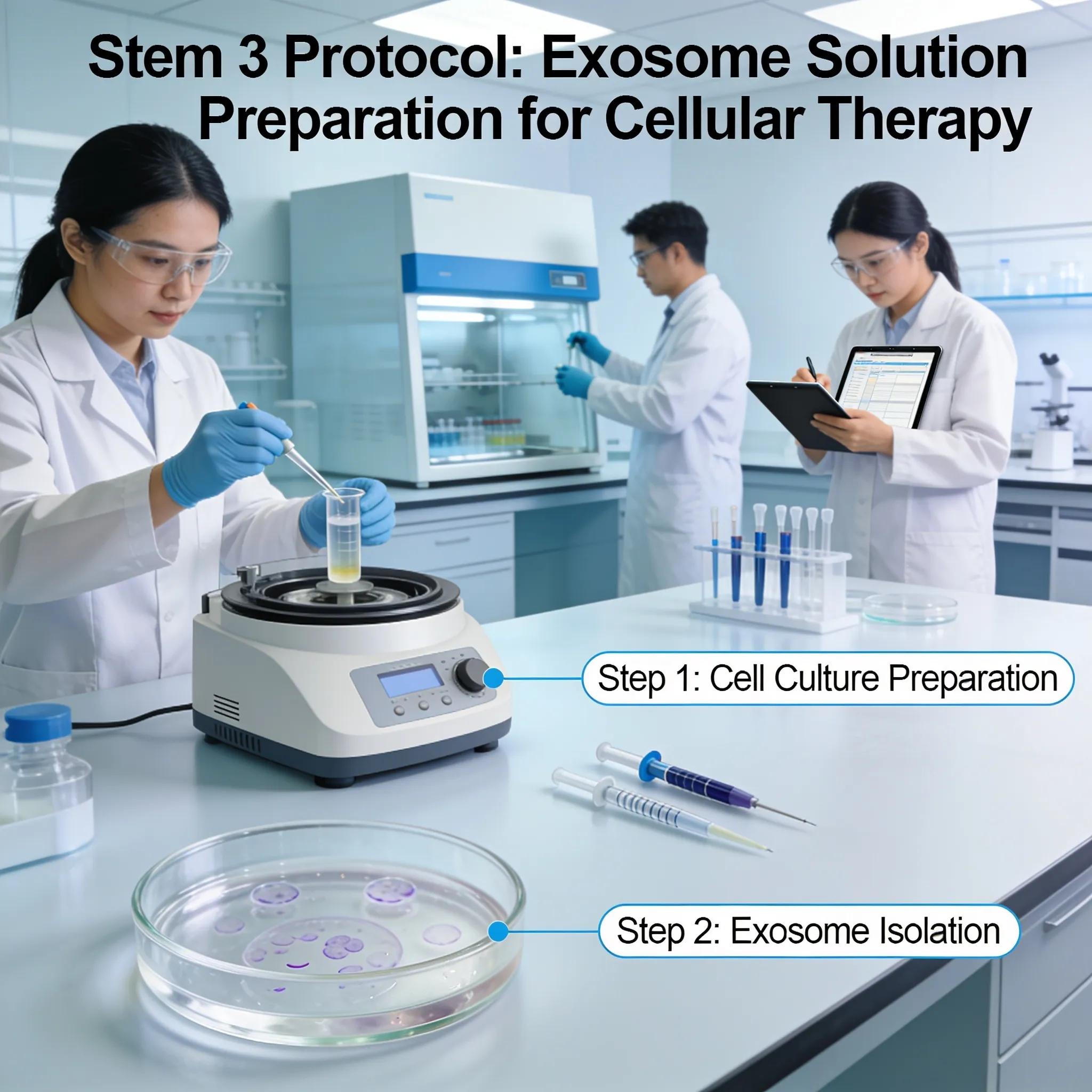
Identification and isolation of MUSE cells typically involve a set of advanced techniques to ensure purity and functionality. One such method is fluorescence-activated cell sorting (FACS), which allows for the selection of specific stem cell populations based on surface markers. Other techniques include magnetic-activated cell sorting (MACS) and differential adherence methods. These techniques are crucial in regenerative therapies, as they not only maximize the yield of functional MUSE cells but also ensure that the isolated cells maintain their differentiation potential.
What Are regenerative procedures and Their Role in Regenerative Therapy?
regenerative procedures are small regenerative procedures ranging from 30 to 150 nanometers in diameter, secreted by various cell types into the extracellular environment. They matters in mediating intercellular communication, especially in the context of tissue repair. Through their cargo, which includes proteins, lipids, and RNA, regenerative procedures facilitate the transfer of beneficial signals between cells, promoting healing and regeneration. Their non-immunogenic nature and ability to carry bioactive molecules position them as promising agents in regenerative therapies.
How Do regenerative procedures Mediate Paracrine Signaling for Tissue Repair?
regenerative procedures mediate paracrine signaling by transferring signaling molecules between cells, effectively promoting repair and regeneration. They carry specific proteins and microRNA that influence recipient cells to activate specific pathways involved in tissue healing. This mechanism demonstrates why regenerative procedures are being researched extensively in regenerative medicine, emphasizing their role in advancing the field.
What Are the Therapeutic Uses of regenerative procedure Regenerative Therapy?
regenerative procedure-based approaches are being investigated for a range of regenerative applications:
- Tissue Support: regenerative procedures derived from stem cells are being studied for their role in supporting tissue repair.
- Wound Healing: regenerative procedure therapies are being explored for supporting healing in chronic wounds by enhancing cellular regeneration processes.
- Inflammation Modulation: regenerative procedures are studied for their ability to modulate inflammatory responses.
These applications showcase the versatility of regenerative procedures in regenerative research through innovative strategies.
How Do MUSE Cells Compare with Mesenchymal Stem Cells in Regenerative Medicine?
MUSE cells and mesenchymal stem cells (MSCs) share several similarities, including their ability to differentiate into multiple cell types. However, key differences underline their respective characteristics in regenerative applications. For instance, MUSE cells are unique in their pluripotent nature, allowing them to generate a broader range of tissues compared to MSCs, which are typically multipotent. Furthermore, MUSE cells exhibit lower immunogenicity, making them a more favorable option for allogeneic research compared to MSCs, which may elicit immune responses.
What Are the Key Differences Between Pluripotent and Multipotent Stem Cells?
Pluripotent stem cells, like MUSE cells, can differentiate into many cell types, whereas multipotent stem cells, such as MSCs, are limited to specific lineages. This fundamental difference allows pluripotent cells to potentially support tissues across a wider range of conditions. The broader applicability of MUSE cells provides them with a significant edge in regenerative medicine applications.
What Advantages Do MUSE Cells Have Over Adult Stem Cell Therapies?
MUSE cells offer several advantages over traditional adult stem cell therapies. Their pluripotency enables them to form a diverse array of cell types, supporting more efficient healing processes. Additionally, their isolation techniques result in a higher yield of functionally capable cells. Importantly, MUSE cells exert immunomodulatory effects, reducing the risk of rejection and enhancing their potential.
What Are the Clinical Applications and Latest Trial Data for MUSE Cells and regenerative procedures?
Research surrounding MUSE cells and regenerative procedures has yielded promising directions, with several ongoing trials examining their potential in various conditions. Simultaneously, regenerative procedure therapies are being evaluated for their ability to support tissue repair.
How Are regenerative procedure-Based Therapies Advancing in Clinical Research?
regenerative procedure-based therapies have gained traction in clinical research, with ongoing trials examining their effects in regenerative medicine. The ability of regenerative procedures to carry multiple bioactive molecules makes them attractive candidates for targeted approaches. Clinical studies continue to shed light on their safety profiles and potential.
What Are the Molecular and Therapeutic Differences Between MUSE Cells and regenerative procedures?
The molecular mechanisms underlying the actions of MUSE cells and regenerative procedures highlight key therapeutic differences. MUSE cells function primarily by differentiating into various tissue types, thereby directly contributing to tissue regeneration. In contrast, regenerative procedures exert their effects remotely, facilitating cellular communication and modulating responses to promote healing.
How Does MUSE Cell Differentiation Contrast With regenerative procedure Paracrine Effects?
MUSE cell differentiation enables direct contribution to tissue repair, while regenerative procedures engage in paracrine signaling, influencing nearby cells without direct incorporation. This distinction illustrates the complementary nature of MUSE cells and regenerative procedures in regenerative strategies, as both approaches address distinct aspects of tissue healing.
Which Regenerative Pathways Are Activated by Each Therapy?
MUSE cells activate regenerative pathways associated with direct tissue formation, including angiogenesis and tissue-specific cell differentiation. Conversely, the effects of regenerative procedures are predominantly linked to immune modulation and stimulation of reparative processes in neighboring cells, creating favorable conditions for healing.
What Are the Future Trends and Innovations in MUSE Cell and regenerative procedure Regenerative Therapies?
The future of regenerative therapies involving MUSE cells and regenerative procedures is promising, with ongoing innovations aimed at enhancing their applications. Researchers are focusing on optimizing isolation techniques, refining protocols, and exploring combined approaches that utilize both MUSE cells and regenerative procedures for synergistic effects. The increasing understanding of these technologies' molecular bases paves the way for personalized regenerative solutions.
How Are Cell-Free Therapies Using regenerative procedures Shaping Regenerative Medicine?
Cell-free therapies utilizing regenerative procedures represent a significant leap forward in regenerative medicine, enabling approaches that sidestep potential complications associated with cell-based therapies. This innovative approach reduces risks related to cell sourcing and manipulation. As research progresses, regenerative procedure therapies are set to play a central role in the evolution of regenerative strategies.
Medical Disclaimer: Stem cell and regenerative protocol is not an FDA approved therapy and is considered to be in the experimental stages. These statements have not been evaluated by the FDA and are not intended to diagnose, treat, cure, or prevent any disease. Springs Rejuvenation processes regenerative procedures in an FDA approved lab. Individual results may vary. This content is reviewed for medical accuracy by Dr. Charles Pereyra, MD, Medical Director of Springs Rejuvenation, and is provided for educational purposes only. Always consult a qualified physician.
New to this topic? Start with our complete patient guide to what MUSE cells are.