
MUSE Cells and Anti-Aging: A Regenerative Approach to Skin and Vitality
Medically reviewed by Dr. Charles Pereyra, MD — Medical Director, Springs Rejuvenation. Last reviewed June 12, 2026.
Written by the Springs Rejuvenation regenerative medicine team from direct clinical experience administering stem cell and regenerative procedure protocols at our Aventura, Miami center.
Anti-aging is one of the most common reasons people explore regenerative medicine. MUSE cells, often discussed alongside regenerative procedures, have become a notable topic in this space. This guide explains what MUSE cells are, how they are studied in relation to skin and vitality, and why local consultations may be preferable to traveling overseas. Individual results vary.
Understanding MUSE Cells
MUSE cells, or Multilineage-differentiating Stress-Enduring cells, are studied for their stress tolerance and reportedly non-tumorigenic characteristics. These properties have made them a subject of ongoing scientific interest within regenerative research, including work related to the appearance and vitality of skin.
Regenerative Approaches to Skin and Appearance
Regenerative approaches to anti-aging focus on supporting the body's own renewal environment rather than masking the signs of aging. MUSE cell and regenerative procedure approaches are studied for their potential supportive roles, and many people appreciate that these are explored as part of a personalized, measured plan rather than a one-size-fits-all promise.
The Role of regenerative procedures in Anti-Aging Research
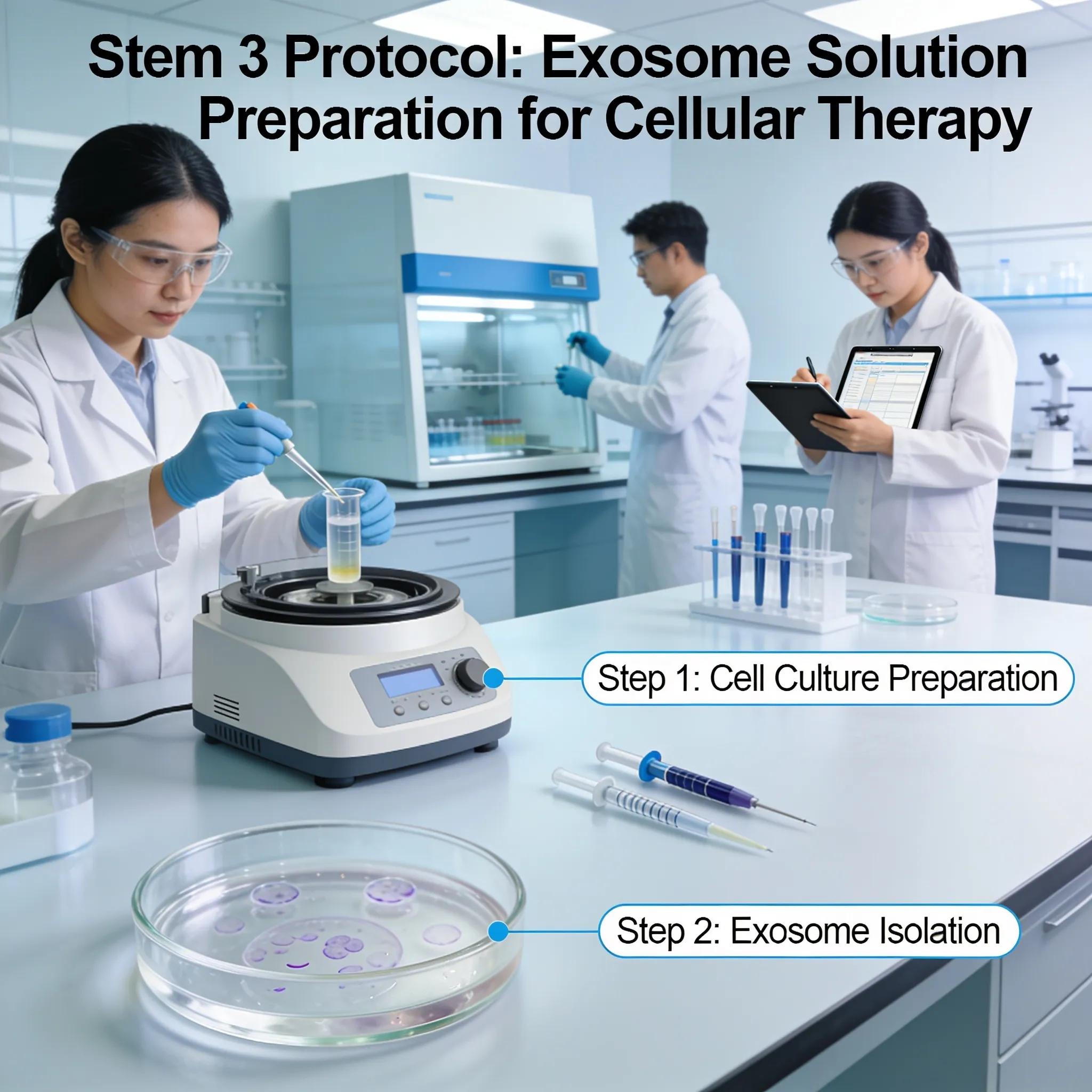
regenerative procedures are regenerative procedures that carry growth factors and signaling molecules and may help promote communication between cells. Paired with MUSE cell approaches, the goal is to combine cellular support with signaling activity, reflecting how the body's renewal processes naturally operate.
Why Local Care Matters
In the past, some patients believed regenerative anti-aging options required international travel. Today, patients can explore regenerative consultations domestically through Springs Rejuvenation, removing the need to travel to Mexico or Colombia and making follow-up more convenient.
Frequently Asked Questions
How are MUSE cells related to anti-aging?
MUSE cells are studied within regenerative medicine, including research relevant to skin and vitality. This is an evolving area, and individual results vary.
Are MUSE cells and regenerative procedures used together for anti-aging?
Many regenerative plans explore MUSE cells and regenerative procedures together, pairing cellular and signaling approaches.
Is regenerative anti-aging a quick fix?
No. Regenerative approaches are studied as part of a measured, personalized plan, not an instant or guaranteed outcome.
Do I need to travel overseas for regenerative anti-aging care?
No. Regenerative consultations are available domestically, which may simplify follow-up.
Medical Disclaimer: Stem cell and regenerative protocol is not an FDA approved therapy and is considered to be in the experimental stages. These statements have not been evaluated by the FDA and are not intended to diagnose, treat, cure, or prevent any disease. Springs Rejuvenation processes regenerative procedures in an FDA approved lab. Individual results may vary. This content is reviewed for medical accuracy by Dr. Charles Pereyra, MD, Medical Director of Springs Rejuvenation, and is provided for educational purposes only. Always consult a qualified physician.
New to this topic? Start with our complete patient guide to MUSE cell therapy.