
MUSE Cell Therapy in Miami: Leading Stem Cell Therapy and Regenerative Medicine therapies for Degenerative Conditions
Medically reviewed by Dr. Charles Pereyra, MD — Medical Director, Springs Rejuvenation. Last reviewed June 12, 2026.
Written by the Springs Rejuvenation regenerative medicine team from direct clinical experience administering stem cell and regenerative procedure protocols at our Aventura, Miami center.
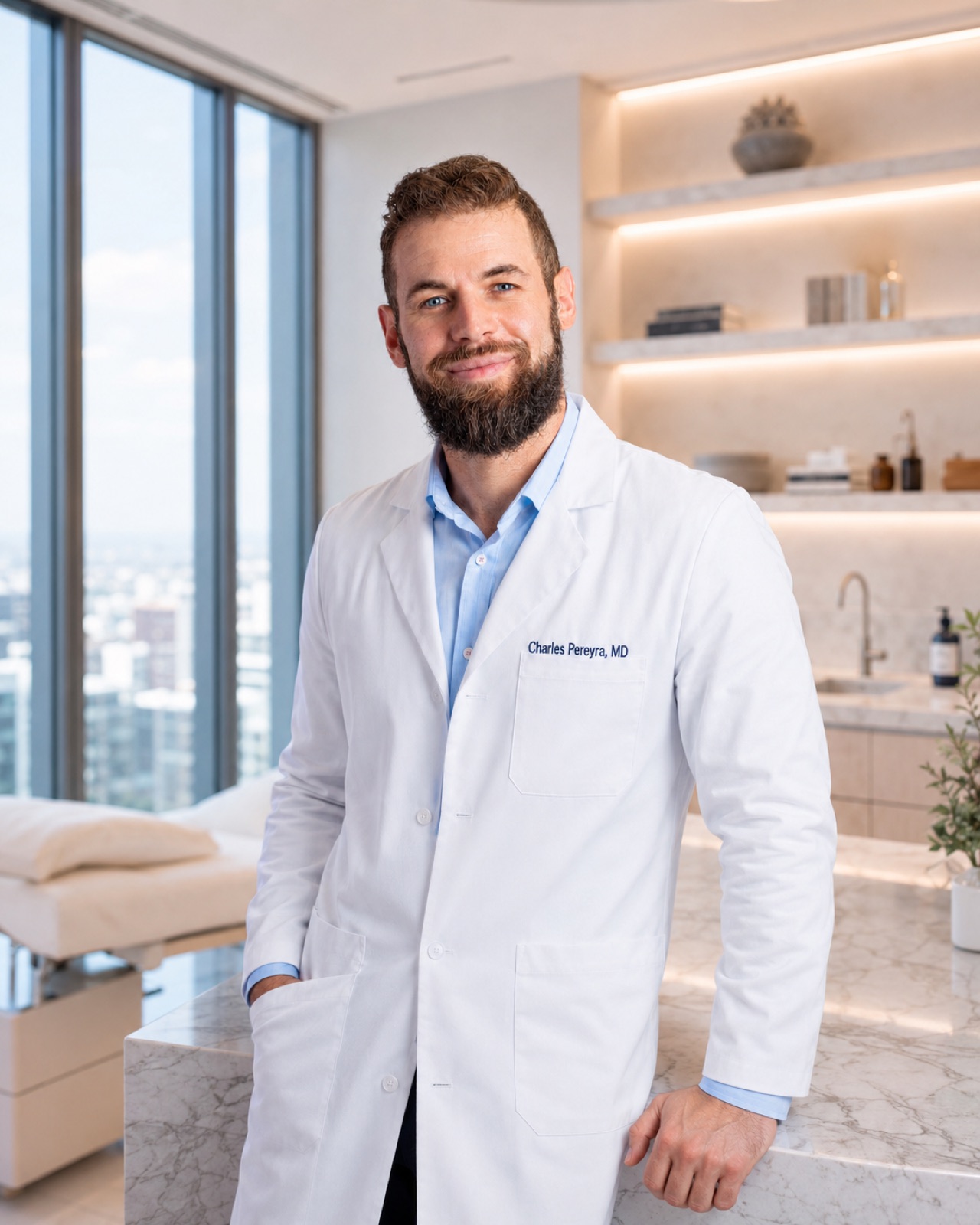
MUSE Cell Therapy represents a groundbreaking advancement in regenerative medicine, offering innovative therapy options for those experiencing degenerative conditions. By harnessing the unique properties of MUSE cells, this therapy promotes the body's natural healing processes, potentially alleviating symptoms associated with various medical issues. Patients can expect a wealth of information on how MUSE therapy can serve as a solution to their health challenges. This article look at the mechanisms, effectiveness, patient outcomes, safety measures, and the therapeutic landscape in Miami, providing insights into why MUSE Cell Therapy is gaining traction in regenerative medicine.
Role and Mechanisms of Action
MUSE Cell Therapy is distinguished by its ability to utilize MUSE cells, which are derived from pluripotent stem cells, considerably enhancing regenerative capabilities. The mechanisms underlying MUSE cell action include differentiation into various cell types and the secretion of healing factors that stimulate tissue repair. These cells have shown remarkable potential, facilitating not only recovery in degenerative conditions but also reducing inflammation and promoting overall healing. The therapeutic benefits of MUSE cells stem from their inherent ability to migrate to damaged tissues, aiding in the restoration of cellular functions.
Effectiveness
The effectiveness of MUSE Cell Therapy has emerged through extensive research, demonstrating significant benefits in supporting various degenerative diseases. Clinical studies have highlighted positive outcomes in areas such as mobility, pain reduction, and overall quality of life. Patients undergoing MUSE therapies often report faster recovery times and sustained improvements in their condition. Quantitative assessments from these studies establish MUSE therapy as a viable alternative or complement to conventional therapies, particularly for chronic pain and degenerative joint diseases.
Expected Patient Outcomes
Patients exploring MUSE Cell Therapy can anticipate numerous potential outcomes, from improved mobility to enhanced overall health. The primary advantages include:
- Health Improvements: Many patients experience significant recovery in functional abilities.
- Mobility Enhancement: As healing progresses, individuals often enjoy increased agility and reduced pain.
- Consultation Importance: Prior to commencing therapy, consultation allows tailored approaches based on individual medical histories.
| Aspect | Expected Benefit | Evidence Level |
|---|---|---|
| Improved Mobility | Enhanced physical movement | High |
| Pain Reduction | Decreased chronic pain levels | Moderate |
| Overall Health | Better quality of life | High |
Following therapy, patients are encouraged to engage in regular follow-ups to monitor progress and adapt therapies as necessary. Springs Rejuvenation is committed to providing personalized care, ensuring each patient receives the attention and therapy type best suited for their needs.
What is MUSE Cell Therapy and How Does It Work in Regenerative Medicine?
MUSE Cell Therapy utilizes cells known as MUSE (Multilineage Differentiating Stress-Enduring) cells, which can transform into various tissue types and possess inherent stress resistance. This remarkable adaptability enables MUSE cells to effectively contribute to repair mechanisms within the human body. MUSE cells' regenerative capabilities are poised to transform therapy approaches in several medical domains, presenting an opportunity for patients to explore alternatives where conventional therapies may fall short.
What Are MUSE Cells and Their Unique Characteristics?
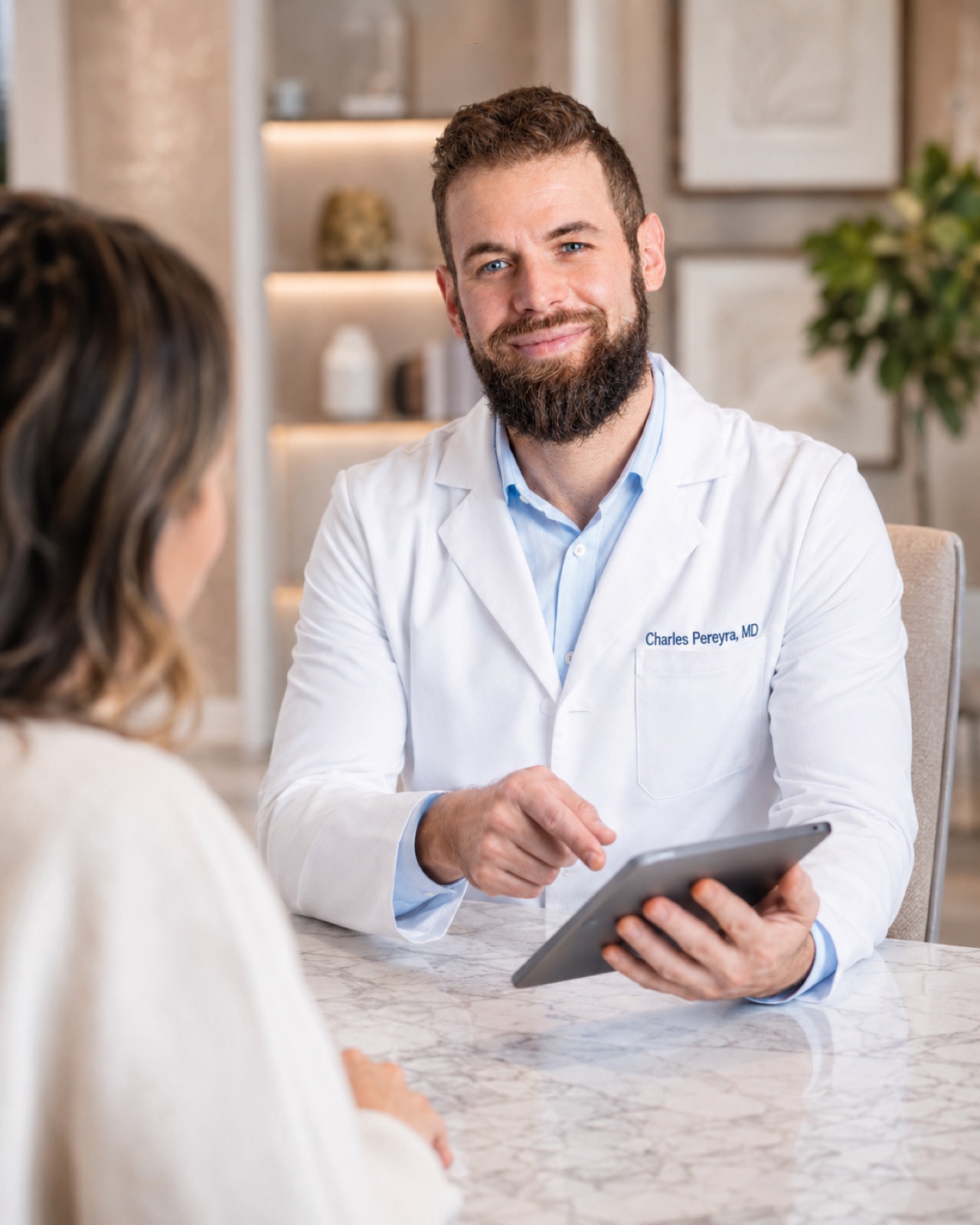
MUSE cells are characterized by their pluripotent nature, allowing them to differentiate into multiple cell lineages. These cells exhibit resilience, enduring stress and encouraging healing in diverse physiological contexts. Their ability to secrete essential growth factors further enhances their utility in regenerative applications and positions MUSE therapy as a frontrunner in innovative medical therapies.
How Do MUSE Cells Differentiate from Other Stem Cells like Mesenchymal Cells?
Unlike traditional mesenchymal stem cells (MSCs), MUSE cells possess distinct attributes, including superior stress resistance and enhanced multipotency. While MSCs are often limited to differentiating into specific cell types, MUSE cells can adapt more flexibly to various tissue environments. This capability makes MUSE cells especially valuable in therapeutic contexts requiring extensive tissue regeneration.
What Are the Clinical Applications of MUSE Cell Therapy in Miami?
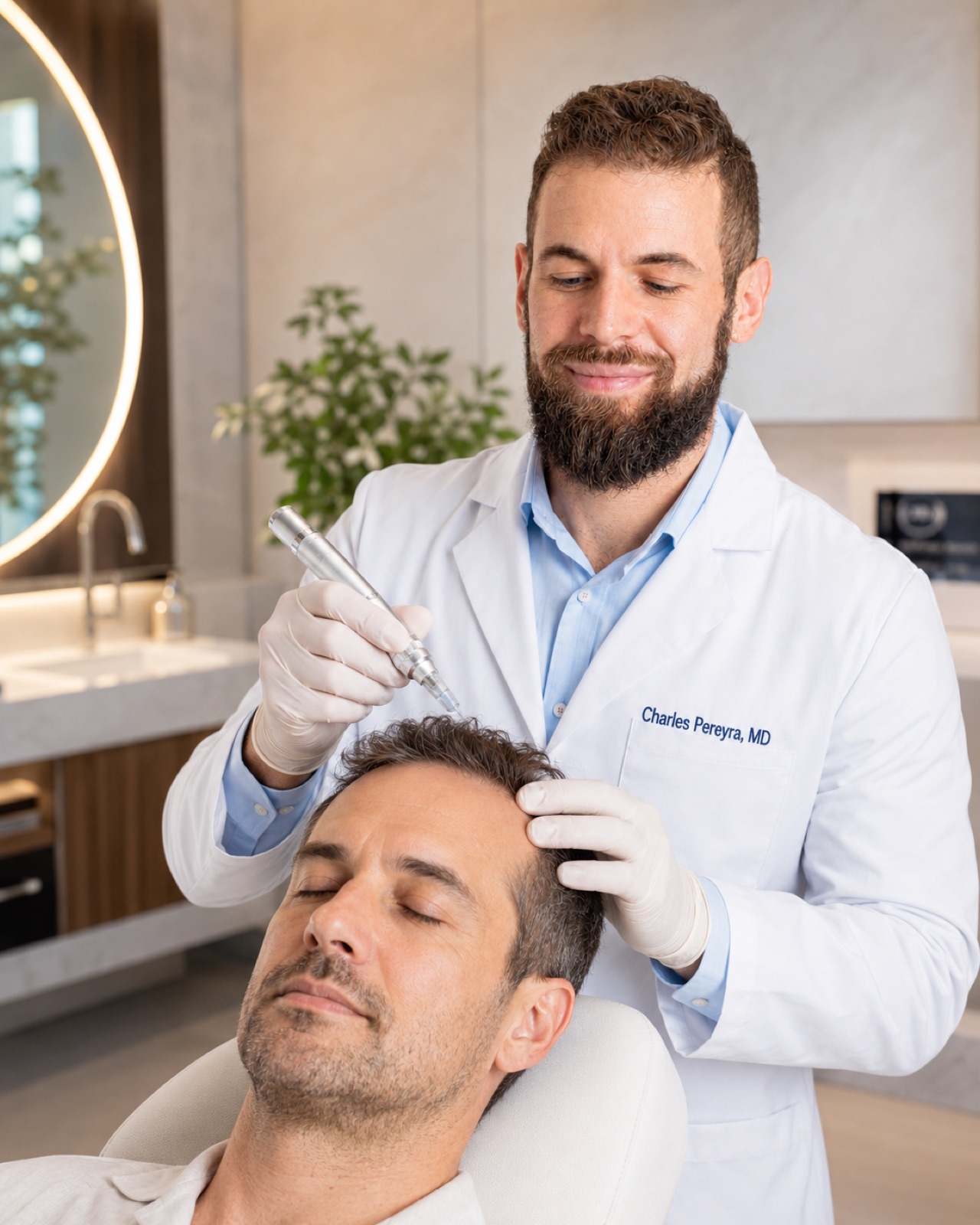
The clinical applications of MUSE Cell Therapy in Miami encompass a range of degenerative conditions, with a particular focus on joint and musculoskeletal health. As practitioners continue to refine these therapies, evidence suggests that MUSE therapy can improve regenerative outcomes in various practical clinical scenarios.
Which Degenerative Conditions Can MUSE Cell Therapy Support?
MUSE Cell Therapy is being explored for its effectiveness in supporting several degenerative conditions, including:
- Osteoarthritis: Clinical studies show improvement in joint function and pain relief.
- Joint and Tendon Health: MUSE cells may aid in tissue regeneration and functional recovery.
- Cartilage Support: Potential cartilage repair following wear and degeneration shows promise.
What Are the Expected Patient Outcomes and Benefits from MUSE therapies?
Patients receiving MUSE therapies can expect noticeable improvements in their conditions, validated by testimonials and clinical evaluations. With a focus on personalized therapy plans, Springs Rejuvenation works closely with patients to maximize their recovery potential.
How Is the Safety and Scientific Validation of MUSE Cell Therapy Ensured?
Safety in MUSE Cell Therapy is primarily secured through rigorous scientific validation and ethical clinical practices. Understanding the safety profile of MUSE cells is essential in establishing trust with clinicians and patients alike.
What Is the Safety Profile of MUSE Cells Including Non-Tumorigenic Properties?
Research indicates that MUSE cells possess non-tumorigenic properties, reducing the risk of adverse outcomes associated with stem cell therapies. Comprehensive safety studies have been conducted, confirming the usability of MUSE cells in therapeutic settings without significant complications reported.
What Are the Latest FDA Approvals and Ongoing Clinical Trials?
As of 2026, MUSE Cell Therapy has not received specific FDA approvals for widespread clinical use but ongoing clinical trials are being conducted to explore its potential applications. Researchers are working to expand the therapeutic applications of MUSE cells, paving the way for future therapy possibilities in regenerative medicine.
What Does the MUSE Cell Therapy therapy Landscape in Miami Look Like?
In Miami, several clinics are emerging as key providers of MUSE Cell Therapy, offering advanced regenerative medicine solutions.
Which Clinics and Medical Centers Offer MUSE Cell Therapy Services in Miami?
One prominent provider is Springs Rejuvenation, serving the Miami, Aventura, and Boca Raton areas. The clinic specializes in various regenerative therapies, including MUSE Cell Therapy, focusing on innovative therapies for degenerative conditions.
What Are Typical Patient Experiences, Testimonials, and Cost Factors?
Many patients report positive experiences with MUSE Cell Therapy, citing enhanced mobility and reduced pain as two major benefits. Additionally, factors like therapy costs and individualized care are thoroughly discussed during consultations to ensure transparency and expectations are managed effectively.
What Are the Latest Research Trends and Future Directions for MUSE Cell Therapy?
Research in MUSE Cell Therapy is rapidly evolving, revealing new insights and expanding its boundaries into previously untapped therapeutic areas. As the body of clinical evidence continues to grow, MUSE therapy is positioned to become a cornerstone in regenerative medicine.
What Breakthroughs Have Emerged in Muse Stem Cells Research?
Recent breakthroughs in MUSE stem cell research have focused on elucidating their unique properties and mechanisms, demonstrating their superior capabilities in tissue regeneration and stress response. These discoveries support the broadening use of MUSE therapy across various medical disciplines.
How Will Miami’s Role as a Regenerative Medicine Hub Evolve?
Miami is setting the stage to become a prominent hub for regenerative medicine, with continued advancements in therapies like MUSE Cell Therapy. As local clinics expand their offerings and refine therapy protocols, access to innovative care will likely improve for residents and patients from surrounding areas, ensuring that cutting-edge therapies remain at the forefront of medical advancements.
At Springs Rejuvenation, stem cell and regenerative procedure therapies are used together as part of a personalized regenerative protocol.
Medical Disclaimer: Stem cell and regenerative protocol is not an FDA approved therapy and is considered to be in the experimental stages. These statements have not been evaluated by the FDA and are not intended to diagnose, treat, cure, or prevent any disease. Springs Rejuvenation processes regenerative procedures in an FDA approved lab. Individual results may vary. This content is reviewed for medical accuracy by Dr. Charles Pereyra, MD, Medical Director of Springs Rejuvenation, and is provided for educational purposes only. Always consult a qualified physician.
New to this topic? Start with our complete patient guide to MUSE cell therapy.