
regenerative procedure Vs Stem Cell Therapy: Comprehensive Guide to Differences, Mechanisms, and Applications
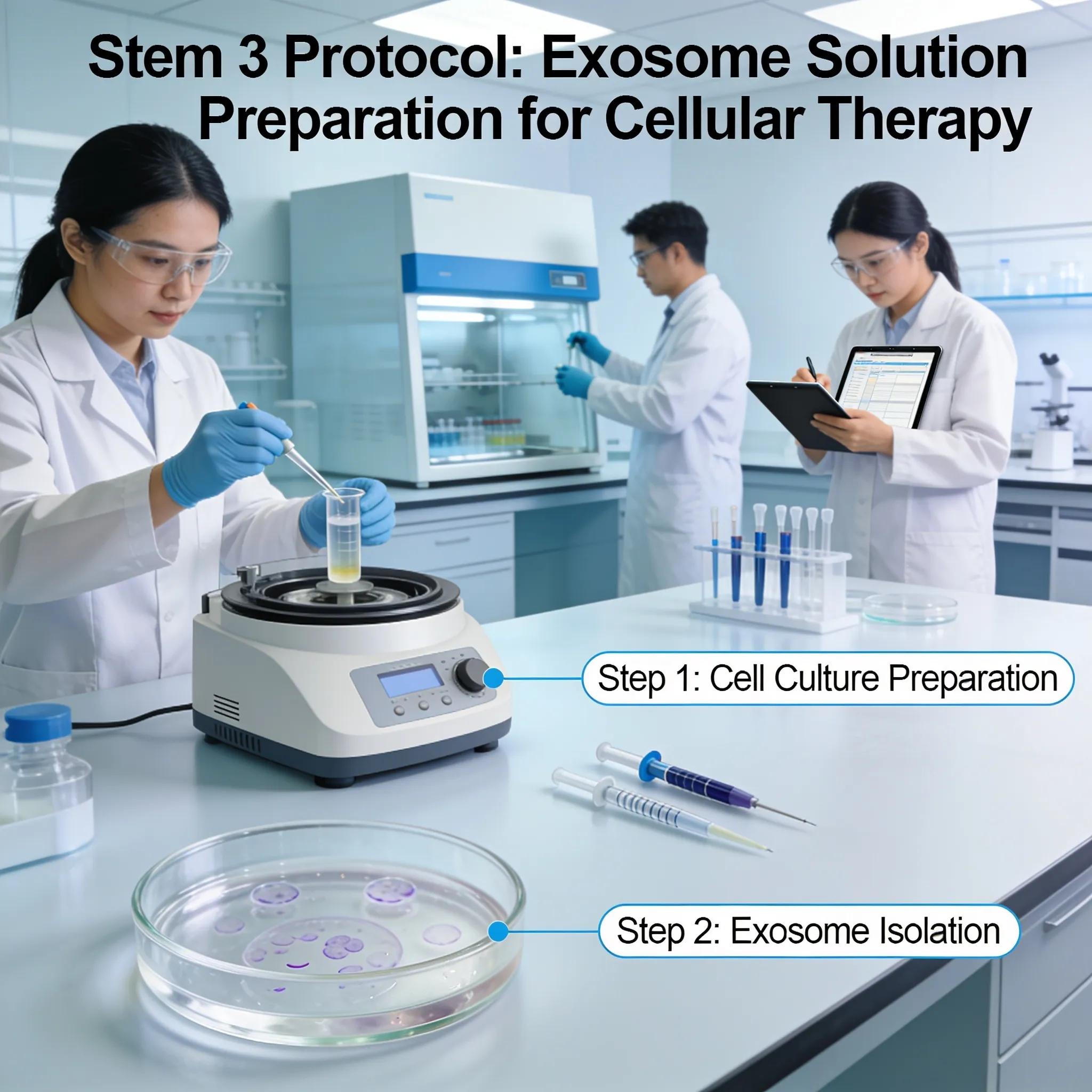
Laboratory scene showcasing scientists researching regenerative procedure and stem cell therapies
regenerative protocol and stem cell therapy are two innovative approaches in regenerative medicine that have garnered significant attention for their potential to help support various medical conditions. This comprehensive guide will explore the differences, mechanisms, and applications of these therapies, providing insights into their unique roles in healing and regeneration. Readers will learn about the biological functions of regenerative procedures and stem cells, their therapeutic benefits, and how they are designed to help in clinical settings. As the demand for effective therapies grows, understanding these approaches becomes crucial for patients and healthcare providers alike. This article will cover the definitions and mechanisms of regenerative procedures and stem cells, their key differences, therapeutic applications, potential for combination protocols, and future outlooks in regenerative medicine.
What Are regenerative procedures and How Do They Work? Exploring regenerative procedure vs Stem Cell Therapy
regenerative procedures are small regenerative procedures that play a critical role in intercellular communication. They are secreted by various cell types and contain proteins, lipids, and nucleic acids that facilitate the transfer of information between cells. This mechanism of action allows regenerative procedures to influence various biological processes, including immune responses and tissue repair. By mediating cell-to-cell communication, regenerative procedures contribute to the regulation of physiological functions and the maintenance of homeostasis.
What Is the Definition and Biological Role of regenerative procedures?
regenerative procedures are defined as nano-sized vesicles ranging from approximately 30 to 150 nanometers in diameter, released by cells into the extracellular environment. They serve as carriers of molecular signals, enabling communication between cells. Their biological role includes the transfer of proteins, lipids, and various types of RNA, which can modulate the behavior of recipient cells. For instance, regenerative procedures derived from immune cells can enhance or suppress immune responses, highlighting their importance in maintaining immune homeostasis.
How Does the Mechanism of Action of regenerative procedures Facilitate Cell Communication?
The mechanism of action of regenerative procedures involves their ability to be taken up by target cells through processes such as endocytosis, fusion with the plasma membrane, or receptor-mediated interactions, delivering their cargo into the recipient cell. This process can activate specific signaling pathways, leading to changes in gene expression and cellular behavior. For example, regenerative procedures can promote tissue regeneration by delivering growth factors, cytokines, and nucleic acids that stimulate cell proliferation and differentiation. Additionally, regenerative procedures can modulate inflammation, making them valuable in therapeutic applications for various diseases.
What Are Stem Cells and Their Therapeutic Benefits?
Visual representation of stem cell therapy applications in regenerative medicine
Stem cells are undifferentiated cells with the unique ability to develop into various cell types in the body. They play a crucial role in growth, development, and tissue repair. Stem cells can be classified into several main types: embryonic stem cells, which can differentiate into any cell type; adult stem cells, which are more limited in their differentiation potential; and induced pluripotent stem cells (iPSCs), which are adult cells reprogrammed to an embryonic-like state. The therapeutic benefits of stem cell regenerative procedures include their ability to regenerate damaged tissues, promote healing, and restore function in various medical conditions.
What Defines Stem Cells and Their Types?
Stem cells are characterized by their self-renewal capacity and differentiation potential. There are several types of stem cells, including:
1. Embryonic Stem Cells: Derived from early-stage embryos, these cells can differentiate into any cell type in the body.
2. Adult Stem Cells: Found in various tissues, these cells are more specialized and typically give rise to cell types specific to their tissue of origin.
3. Induced Pluripotent Stem Cells (iPSCs): Adult cells reprogrammed to an embryonic-like state, allowing them to differentiate into various cell types.
Each type of stem cell has unique properties and applications in regenerative medicine.
How Do Stem Cells Promote Tissue Repair and Regeneration?
Stem cell regenerative procedures promotes tissue repair and regeneration through several mechanisms. They can differentiate into specialized cell types needed for tissue repair, secrete growth factors and cytokines that stimulate healing, and modulate immune responses to reduce inflammation. For example, mesenchymal stem cells (MSCs) have been shown to enhance tissue regeneration in conditions such as heart disease and orthopedic injuries. Their ability to migrate to sites of injury and promote healing makes them a valuable tool in regenerative therapies.
The efficacy of mesenchymal stem cell regenerative procedures in tissue repair extends significantly to wound healing, where their secreted factors and derived regenerative procedures play a crucial role.
Mesenchymal Stem Cells & regenerative procedures for Wound Healing
The use of mesenchymal stem cells (MSCs) is one of these methods that have produced appropriate responses in the healing of patients’ wounds. MSCs by secreting growth factors, cytokines, chemokines, and RNAs elicit changes in cell proliferation, migration, growth, signaling, immunomodulation, and wound re-epithelialization process, and as a result, accelerate wound closure and wound healing. These cells can be isolated from different body sources with different cell characteristics and used directly on the wound site or by injection. In addition, MSCs-derived regenerative procedures have attracted growing attention due to circumventing concerns relating to the direct use of MSCs.
Application of mesenchymal stem cells and regenerative procedure alone or combination therapy as a therapy strategy for wound healing, S Nouri, 2024
Key Differences in regenerative procedure Vs Stem Cell Therapy
regenerative protocol and stem cell therapy differ significantly in their structure, function, and therapeutic applications. Understanding these differences is essential for determining the most appropriate therapy for specific medical conditions.
How Do regenerative procedures and Stem Cells Differ in Structure and Function?
regenerative procedures are small vesicles that carry molecular signals, while stem cells are living cells capable of self-renewal and differentiation. The primary differences include:
Feature
regenerative procedures
Stem Cells
Structure
Nano-sized regenerative procedures
Living undifferentiated cells
Function
Mediates intercellular communication
Regenerates tissues through differentiation and paracrine effects
Origin
Secreted by various cell types
Derived from embryos, adult tissues, or reprogrammed cells
Therapeutic Role
Delivery of molecular signals and modulators
Direct tissue regeneration and modulation of the microenvironment
What Are the Safety Profiles and Risks of Each Therapy?
Both regenerative protocol and stem cell therapy have distinct safety profiles and associated risks. regenerative protocol is generally considered to have a favorable safety profile, as regenerative procedures are naturally occurring and less likely to provoke an immune response; however, the source, purity, and preparation methods can influence safety and efficacy. In contrast, stem cell therapy carries risks related to potential tumorigenicity (especially with pluripotent stem cells), immune rejection (particularly with allogeneic cells), and complications from the procedure itself. Comprehensive evaluations and clinical trials are essential to ensure the safety of both therapies.
Therapeutic Applications of regenerative procedure Vs Stem Cell Therapy
regenerative procedures and stem cells have diverse therapeutic applications across various medical fields, including neurology, cardiology, and orthopedics. Understanding these applications can help identify the most suitable therapy options for patients.
Which Conditions May Benefit from regenerative protocol?
1. Neurological Diseases: regenerative procedures can deliver neuroprotective factors that may support neuronal survival and modulate neuroinflammation in diseases like Alzheimer's and Parkinson's.
2. Cardiovascular Diseases: They can promote cardiac repair following myocardial infarction by delivering growth factors that stimulate angiogenesis and reduce fibrosis.
3. Inflammatory Disorders: regenerative procedures can modulate immune responses, making them beneficial in conditions like rheumatoid arthritis and other autoimmune diseases.
These applications highlight the versatility of regenerative protocol in addressing complex medical issues.
Which Conditions Are Supported by Stem Cell Therapy?
Stem cell therapy is utilized in various conditions, including:
1. Orthopedic Injuries: Stem cell regenerative procedures can regenerate cartilage, bone, and other musculoskeletal tissues, aiding recovery from injuries and degenerative diseases.
2. Heart Disease: They can help repair damaged heart tissue and improve cardiac function after myocardial infarction.
3. Autoimmune Disorders: Stem cell regenerative procedures can help modulate or reset the immune system in conditions like multiple sclerosis and lupus.
The regenerative potential of stem cell regenerative procedures makes them a valuable option for supporting a wide range of diseases.
Combining regenerative procedure and Stem Cell Therapies for Enhanced Outcomes
Combining regenerative procedure and stem cell therapies may enhance therapeutic outcomes by leveraging the strengths of both approaches. This synergy can lead to improved healing and regeneration in various medical conditions.
What Are the Synergistic Effects of Combined Regenerative Therapies?
The combination of regenerative procedure and stem cell therapies can create a synergistic effect, where the benefits of each therapy enhance the overall therapy outcome. For instance, stem cells can provide a source of regenerative procedures that carry regenerative signals, while regenerative procedures can enhance the survival, proliferation, and function of stem cells in the target tissue. This dual approach may lead to more effective protocols for complex conditions, such as chronic wounds or degenerative diseases.
This synergistic potential is particularly promising in areas like cardiac regeneration, where combining stem cells with their derived regenerative procedures can significantly improve therapeutic outcomes.
Stem Cells & regenerative procedures for Cardiac Regeneration
Bone marrow mesenchymal stem cells (MSCs) are among the most common cell types to be used and studied for cardiac regeneration. Low survival rate and difficult retention of delivered MSCs in infarcted heart remain as major challenges in the field. Co-delivery of stem cell-derived regenerative procedures (Exo) is expected to improve the recruitment and survival of transplanted MSCs.
Combinatorial therapy of acute myocardial infarction using stem cells and their derived regenerative procedures resulted in improved heart performance, Q Li, 2019
How to Choose the Right Therapy Based on Individual Needs?
Selecting the appropriate therapy depends on various factors, including the specific medical condition, patient health status, and therapy goals. Healthcare providers should consider the following when recommending protocols:
1. Condition Severity: More severe or complex conditions may benefit from a combination of therapies.
2. Patient Health: Individual health factors, including immune status and comorbidities, can influence the choice of therapy.
3. Therapy Goals: Understanding the desired outcomes can guide therapy selection.
A personalized approach ensures that patients receive the most effective therapy for their unique circumstances.
Future Outlook of Regenerative Medicine Involving regenerative procedure vs Stem Cell Therapies
The future of regenerative medicine is promising, with ongoing research and clinical trials exploring the potential of regenerative procedures and stem cells in various applications. As our understanding of these therapies evolves, so too will their applications and effectiveness.
What Are the Latest Research Trends and Clinical Trials?
Recent research trends focus on optimizing regenerative procedure and stem cell therapies through advanced techniques such as genetic engineering, biomaterial integration, and scalable manufacturing processes. Clinical trials are underway to evaluate the safety and efficacy of these therapies in supporting a range of conditions, from neurodegenerative diseases to orthopedic injuries. These studies aim to establish standardized protocols and enhance the therapeutic potential of both approaches.
How Will Advances Impact Safety, Efficacy, and Accessibility?
Advancements in regenerative medicine are expected to improve the safety and efficacy of regenerative procedure and stem cell therapies. Innovations in manufacturing processes, quality control, and personalized medicine will enhance therapy outcomes and accessibility for patients. As these therapies become more widely accepted and integrated into clinical practice, they hold the potential to revolutionize the therapy landscape for various medical conditions.
Therapy Type
Key Advantages
Current Research Focus
regenerative protocol
Minimally invasive, low risk of immune rejection
Enhancing delivery mechanisms and targeting
Stem Cell Therapy
High regenerative potential, versatile applications
Safety profiles and long-term outcomes
Our stem cell regenerative procedure protocols are produced in FDA-registered labs but are not FDA-approved therapies.
FDA Disclaimer: This article is for informational purposes only and is not intended to provide medical advice. Individual results may vary. Consult a healthcare professional before starting any new therapy.
Our Stem Cell exosome formula is produced in an FDA approved lab, but is not an FDA approved therapy. It is currently in the experimental stages — all information provided is based on our experience with patients. Results may vary.