
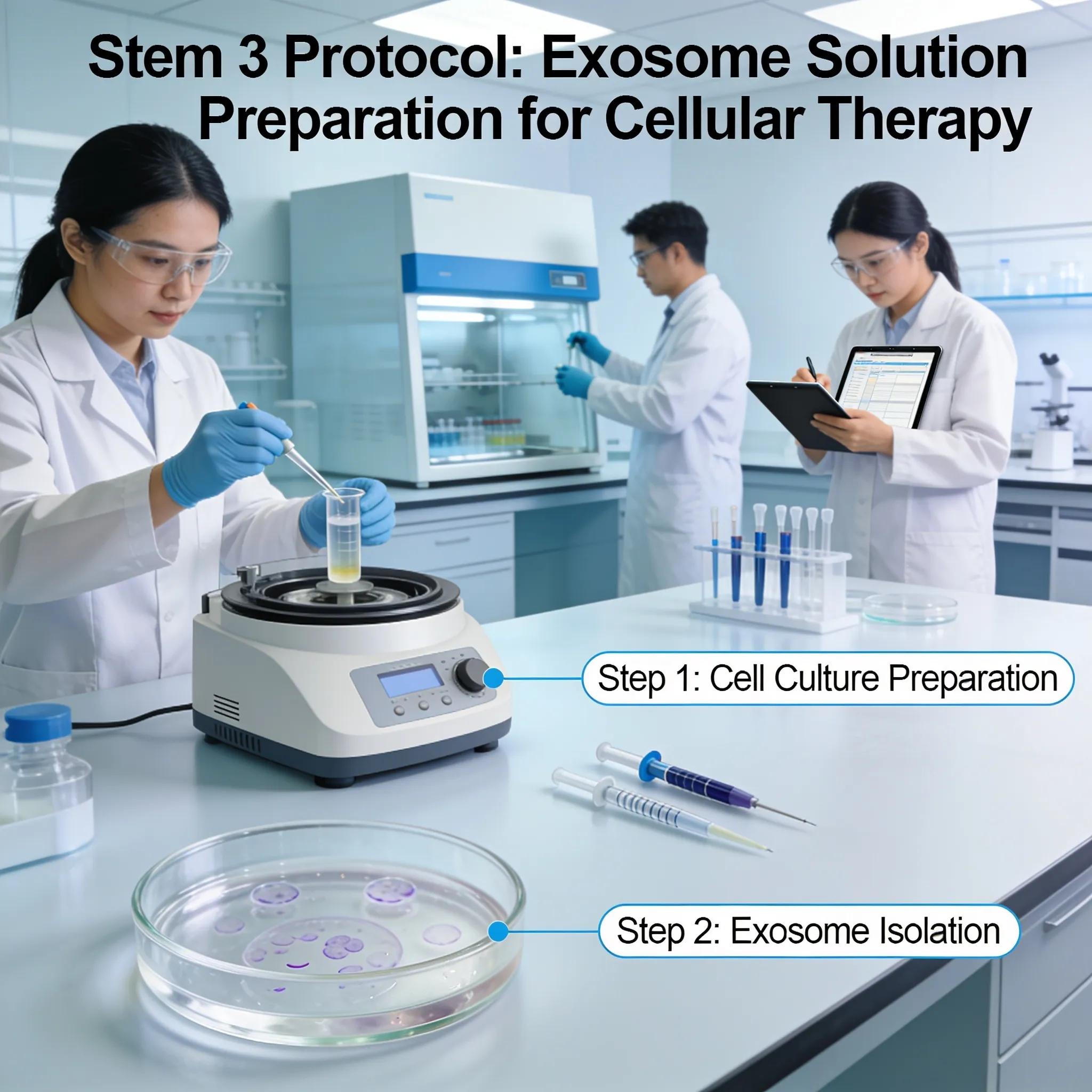
regenerative protocol in Los Angeles: How It Works and What to Expect
Medically reviewed by Dr. Charles Pereyra, MD — Medical Director, Springs Rejuvenation. Last reviewed June 9, 2026.
Written by the Springs Rejuvenation regenerative medicine team from direct clinical experience administering stem cell and regenerative procedure protocols at our Aventura, Miami center.
regenerative protocol is one of the most talked-about areas of regenerative medicine, and Los Angeles patients are among the most curious. At Springs Rejuvenation's Downtown LA center at 420 E 3rd Street, #705, we offer physician-supervised regenerative protocol as part of an individualized regenerative plan. This article explains what regenerative procedures are, how a session works, and what LA patients should realistically expect.
What Are regenerative procedures?
regenerative procedures are nanoscale vesicles, roughly 30 to 150 nanometers across, that cells release to communicate with one another. They carry growth factors, proteins, and genetic signaling molecules, essentially acting as messengers that help coordinate tissue repair and modulate inflammation. Unlike cell-based approaches, regenerative protocol is cell-free, which is part of why it has drawn so much interest.
At Springs Rejuvenation, regenerative procedures are frequently paired with stem cell therapy as part of a personalized regenerative protocol, since the two approaches complement each other.
What an LA regenerative procedure Session Looks Like
regenerative protocol is minimally invasive and performed in an outpatient setting. After a physician reviews your goals and history, regenerative procedures are delivered to the targeted area, whether that is a joint, soft tissue, or the scalp. Most LA patients are back to their normal routine quickly.
What is regenerative protocol used for?
In our LA practice, regenerative protocol is most often used to support joints affected by wear, to support recovery from overuse injuries, and to support the scalp in cases of hair thinning. The intent is always to support the body's own repair response rather than to replace it.
How soon will I see results from regenerative protocol?
Regenerative responses build gradually. Some patients notice changes within weeks, while others take longer, and individual results vary. A physician can give you a more specific sense of timeline based on the area being addressed.
Is regenerative protocol Right for You?
regenerative protocol is not a fit for everyone, and a responsible clinic will tell you so. That is why every Springs Rejuvenation protocol begins with a physician evaluation and is reviewed by Dr. Charles Pereyra, MD, our Medical Director. Our regenerative procedures are processed in an FDA registered laboratory.
Do LA patients need to travel overseas for regenerative protocol?
No. Los Angeles patients no longer need to fly to Mexico or other countries for regenerative procedure and stem cell therapy. Physician-supervised care is available right here in Downtown LA, with local follow-up.
How much does regenerative protocol cost in Los Angeles?
Cost depends on the area being addressed and how many sessions your protocol involves. Because regenerative medicine is individualized, pricing is discussed during a consultation.
Booking in Downtown LA
If regenerative protocol is something you are considering, start with a consultation. A Springs Rejuvenation physician will assess whether it is a reasonable option for your goals. Our LA center at 420 E 3rd Street, #705 serves Downtown, the Arts District, and the wider Los Angeles area.
Medical Disclaimer: Stem cell and regenerative protocol is not an FDA approved therapy and is considered to be in the experimental stages. These statements have not been evaluated by the FDA and are not intended to diagnose, treat, cure, or prevent any disease. Springs Rejuvenation processes regenerative procedures in an FDA approved lab. Individual results may vary. This content is reviewed for medical accuracy by Dr. Charles Pereyra, MD, Medical Director of Springs Rejuvenation, and is provided for educational purposes only. Always consult a qualified physician.