
NeoGraft is a state-of-the-art hair restoration technology that uses Follicular Unit Extraction (FUE) to provide a minimally invasive, highly effective solution for hair loss. Unlike traditional strip harvesting methods, NeoGraft automates the FUE process, allowing for precise extraction and implantation of individual hair follicles without the need for stitches or a linear scar.
Key Benefits of NeoGraft
Minimally Invasive & No Linear Scarring
Unlike traditional strip harvesting, NeoGraft uses automated Follicular Unit Extraction (FUE) to remove individual hair follicles without a scalpel, stitches, or a long recovery time. This means no visible scarring, making it ideal for patients who prefer short hairstyles.
Natural-Looking Results
NeoGraft precisely places hair follicles in a natural growth pattern, ensuring a seamless, undetectable look that blends perfectly with existing hair.
High Graft Survival Rate
The automated suction and implantation process minimizes trauma to follicles, resulting in higher survival rates and a better outcome compared to manual techniques.
Faster Recovery, Less Downtime
Most patients can return to normal activities within a few days, unlike traditional hair transplants that require weeks of recovery.
Perfect for Men & Women
NeoGraft works for both male and female pattern baldness, as well as thinning hair, receding hairlines, and hair loss due to scarring or medical conditions.
Enhanced with Regenerative Therapies
Pairing NeoGraft with stem cell regenerative procedures can further accelerate healing, improve graft retention, and stimulate stronger, healthier hair growth.
Call NowCommon Questions and Answers
How many grafts can the system extract?The NeoGraft® hair restoration system typically extracts and implants 1,500 to 3,000 grafts in a single session. The exact number of grafts depends on several factors, including:
- The size of the area being treated: Larger areas of hair loss require more grafts.
- Hair density in the donor area: This determines how many grafts can be safely harvested.
Patient goals and hair type: Desired coverage and hair characteristics (e.g., thickness, curl) influence the number of grafts needed. - Session length and patient comfort: Sessions are usually designed to be manageable within a single day.
- For smaller areas, fewer grafts (e.g., 500–1,000) may suffice. If a large number of grafts are required (exceeding 3,000), the treatment might be split into multiple sessions.
No, patients are not typically put to sleep. FUE is performed under local anesthesia to numb the scalp in both the donor and recipient areas. This allows the patient to remain awake and comfortable throughout the procedure, though they may feel some pressure or movement.
In rare cases, mild sedation can be offered for particularly anxious patients, but general anesthesia is not standard.
FUE is generally considered a painless procedure due to the use of local anesthesia. Patients may feel slight pinches during the administration of anesthesia and mild discomfort during the extraction or implantation processes, but most describe the procedure as comfortable.
Post-procedure, some soreness or tenderness in the donor and recipient areas is normal but manageable with over-the-counter pain relief.
Do patients need to shave?Shaving is typically required in the donor area, but the extent depends on the method:
- Standard FUE: The donor area is shaved to ensure precision during graft extraction.
- Long-Hair or No-Shave FUE: In select cases, only small sections of the donor area are shaved or trimmed, allowing the rest of the hair to cover the shaved spots. This approach is often used for patients needing fewer grafts or for those concerned about visible post-procedure marks.
The recipient area usually isn’t shaved, though short hair can improve visibility for precise implantation.
When are the results of FUE expected?Full results are typically visible 6-12 months after the procedure. Improvement may be seen earlier. Every patient is different.
Timeline of Hair Growth Post-FUE:
Weeks 1–3: Initial shedding of transplanted hair- this process is normal.
Months 3–4: New hair starts to grow, though it may be thin or patchy.
Months 6–9: Noticeable thickening of transplanted hair.
12 Months: Full results with mature, natural-looking hair.
Results can vary based on individual factors like age, hair type, and adherence to post-procedure care.
Why Choose NeoGraft Hair Transplant
Automated FUE Technology
NeoGraft uses automated follicular unit extraction (FUE) for precise, consistent graft harvesting with minimal human error.
No Linear Scar
Unlike traditional strip surgery, NeoGraft leaves no visible linear scar, so you can wear your hair short with confidence.
Natural, Long-Lasting Results
Transplanted hair grows naturally in its new location, giving you a fuller, natural-looking head of hair. Individual results vary.
Faster Recovery
Most patients return to normal activities within a few days, with significantly less discomfort and healing time compared to traditional transplants.
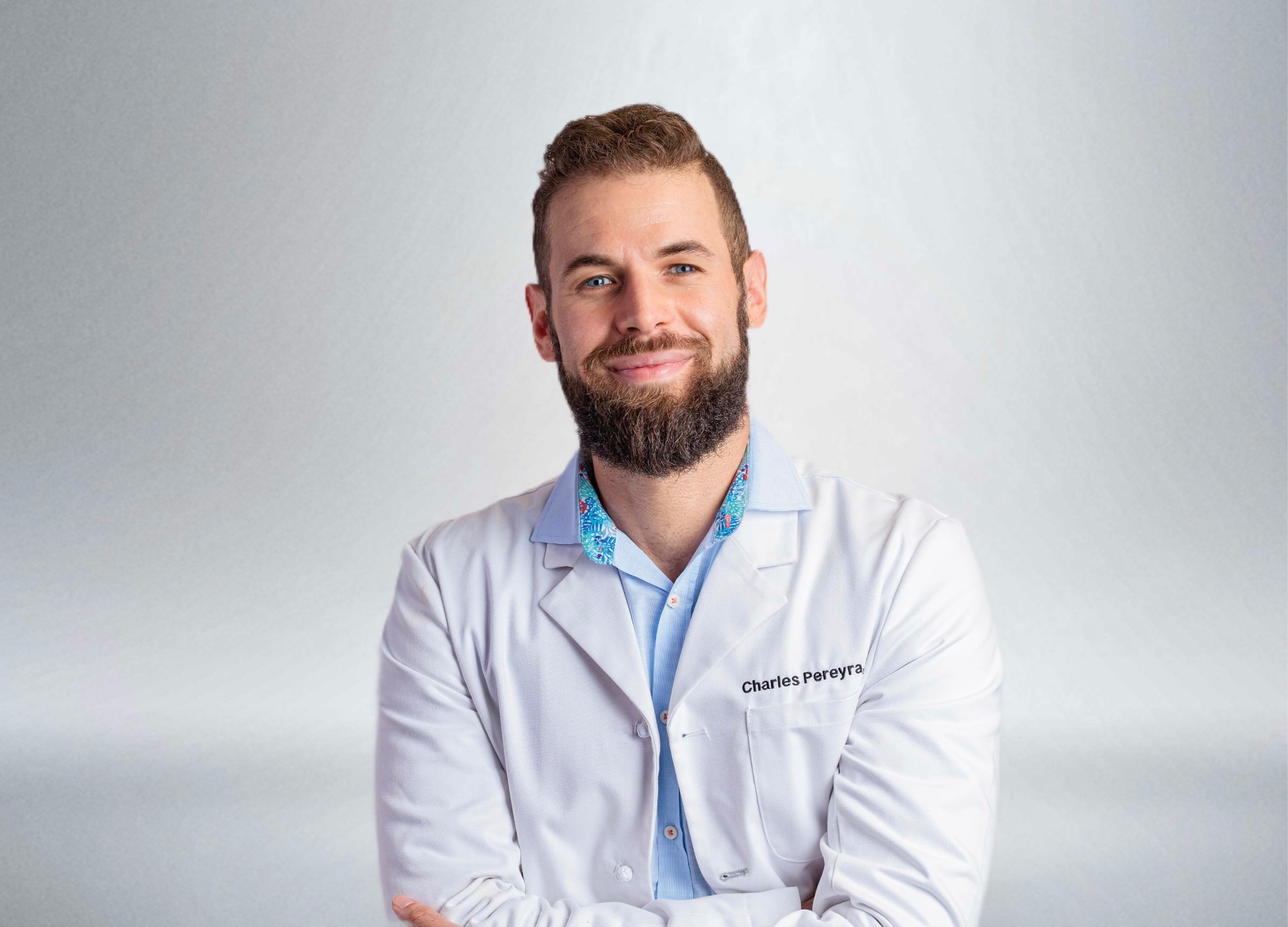
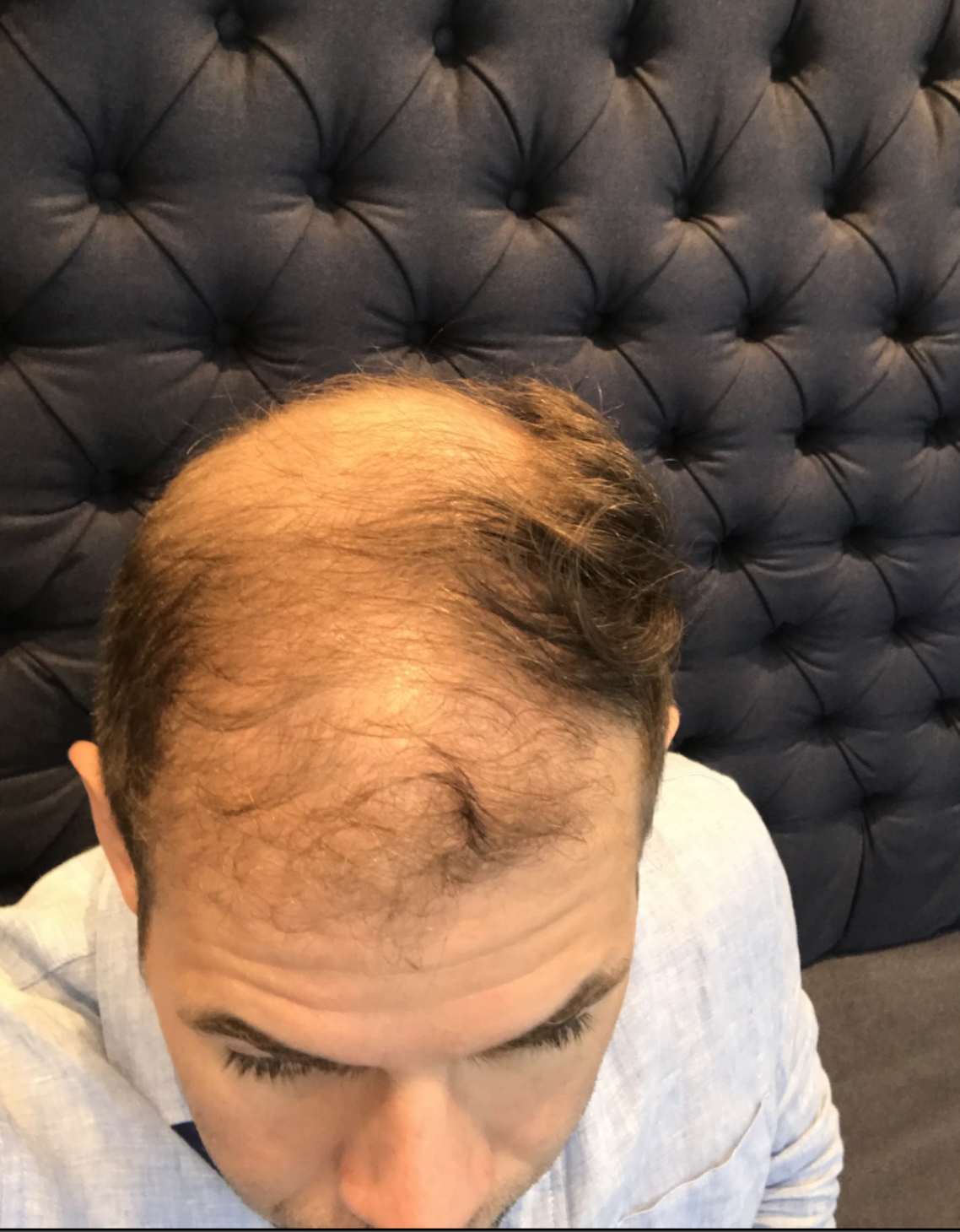
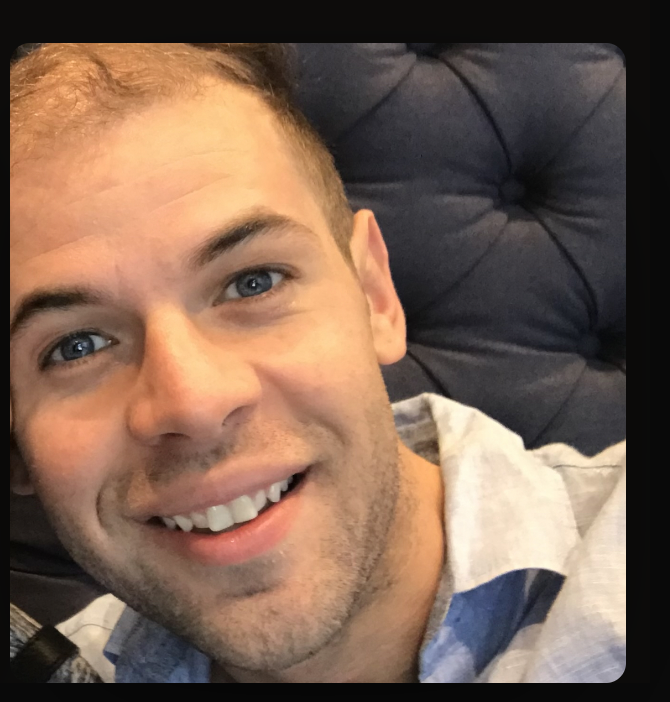
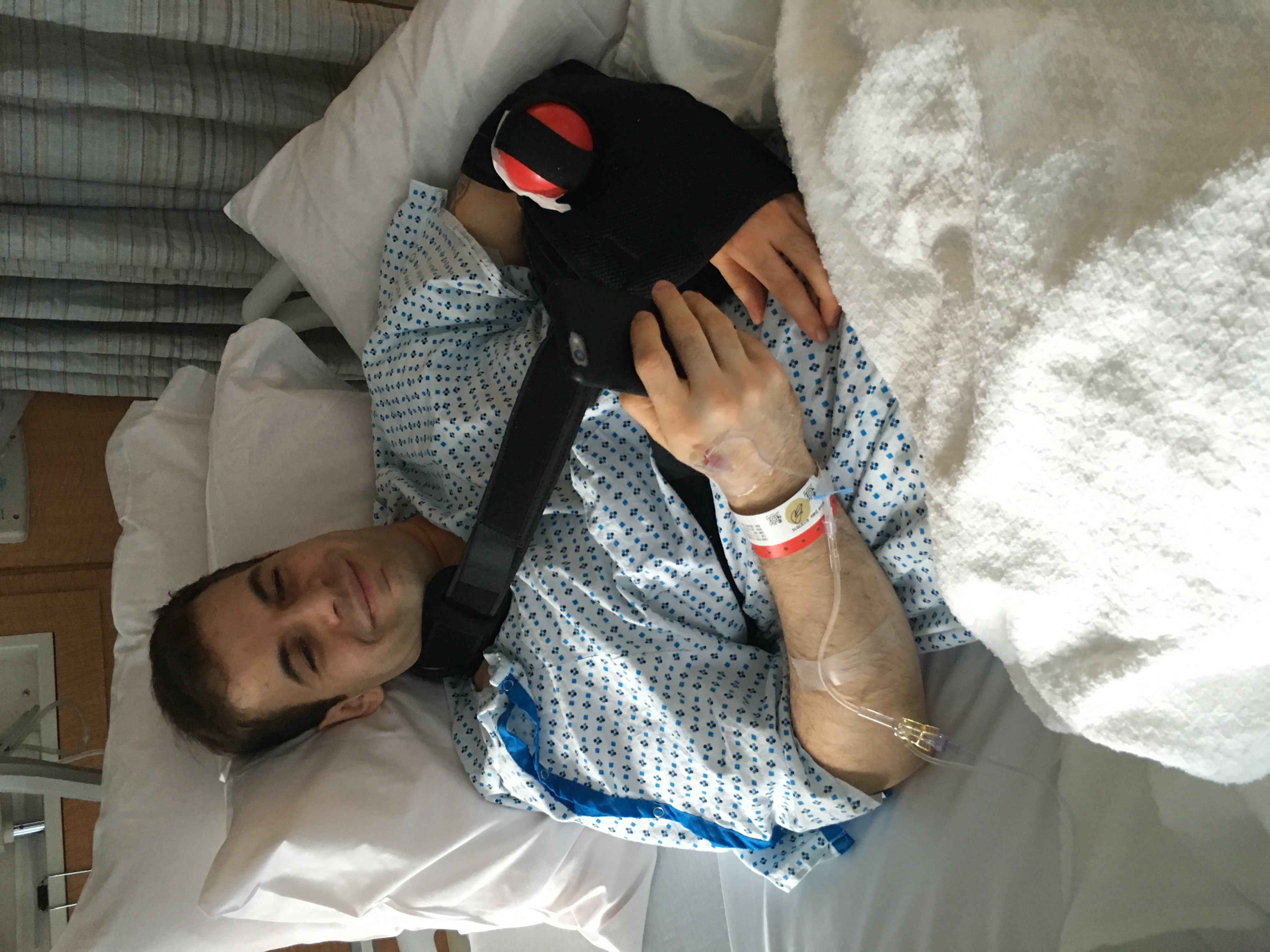
"From hair loss to dealing with major surgeries. Dr. Charles is a competitive athlete, patient, a physician who advocates for his patients. With a unique aspect of being a patient himself."
Dr. Charles Pereyra, MD
During his medical residency at Cornell University, Dr. Charles faced something many of his patients know all too well — sudden hair loss. It wasn't just about losing hair; it was about losing confidence. He was patient "0" at the start of his hair loss journey. He remembers the anxiety of looking in the mirror and not recognizing himself.
But rather than accepting defeat, Dr. Charles turned his struggle into his mission. He dove into the emerging world of regenerative medicine, studying the potential of stem cells.
Dr. Charles became one of the first physicians to introduce supportive regenerative preparation hair restoration using the Micro-Graft FUE in the U.S. market on a grand scale, pioneering a new standard in natural, minimally invasive solutions as well as transforming surgical transplants into a new, minimally invasive process.
"My goal is to help people, men and women alike, achieve natural-looking results that restore not just their appearance, but also their confidence and quality of life. That's why every patient deserves a personalized approach and access to the most advanced treatments available."
Today, what started as his own story of loss has grown into a mission to give others a new beginning — one full of confidence, renewal, and the freedom to feel like themselves again.

Frequently Asked Questions
Ready to Get Started?
Take the first step toward a fuller, natural-looking head of hair. Schedule your NeoGraft consultation and see what's possible. Individual results vary.
*Results vary by individual. A physician consultation is required to determine candidacy. These programs are not intended to diagnose, treat, cure, or prevent any disease. Statements on this page have not been evaluated by the FDA.