
Tennis Elbow (Lateral Epicondylitis): When to Consider Regenerative Injections
Medically reviewed by Dr. Charles Pereyra, MD — Medical Director, Springs Rejuvenation. Last reviewed June 24, 2026.
Written by the Springs Rejuvenation regenerative medicine team from direct clinical experience administering stem cell and regenerative procedure protocols at our Aventura, Miami center.
Tennis elbow rarely comes from tennis. It is an overuse condition of the tendons on the outside of the elbow, and it affects painters, plumbers, office workers, and anyone whose grip is under repeated strain. Most cases settle with time and load management, but a frustrating minority drag on for many months. For those stubborn cases, regenerative injections are a reasonable conversation.
What is actually happening at the elbow
The tendons that attach to the outside of the elbow help extend the wrist and grip objects. With repetitive load they can develop small-scale tissue changes that produce the sharp, localized pain of lateral epicondylitis. Because tendon tissue supports slowly, the condition often outlasts patients' patience, which is part of why regenerative options draw interest.
What regenerative options involve
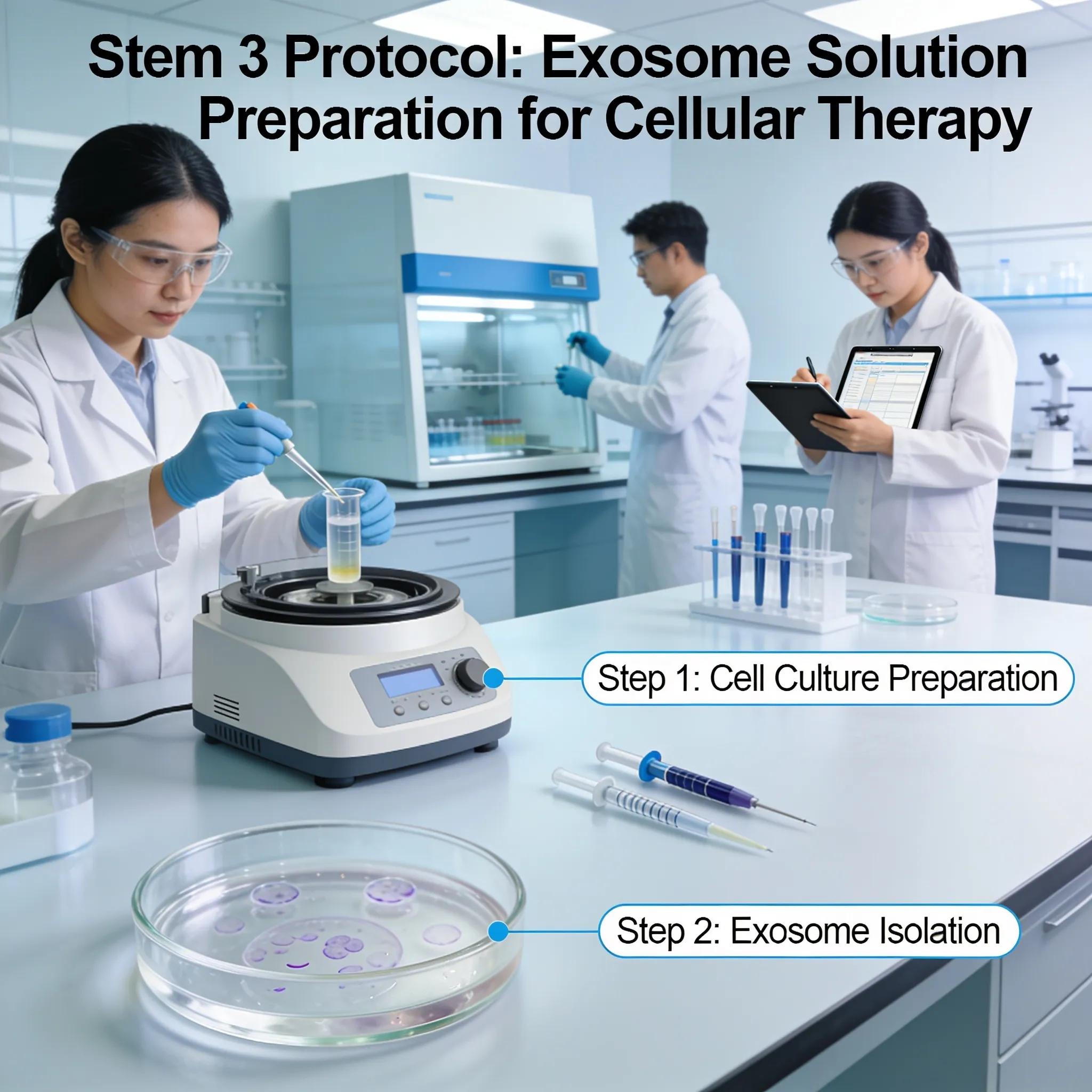
Platelet-rich plasma is the most studied option for tennis elbow, using your own concentrated growth factors to support the tendon environment; regenerative protocol is a newer signaling-based approach. At Springs Rejuvenation any injection is delivered as part of a plan that includes the eccentric strengthening and load adjustments that address the underlying overuse.
Reading the evidence with care
Several studies of PRP for chronic tennis elbow have reported reduced pain and improved grip in patients who failed more basic measures, though results are not universal. The fair framing is that regenerative therapy may help selected patients who have plateaued, while the early phase of tennis elbow usually improves with simpler steps and time.
Who is usually a candidate?
Patients with persistent symptoms — typically several months — who have already tried rest, bracing, and rehabilitation are the most reasonable fit. Newly developed cases often do not need an injection at all.
Will it fix my grip strength?
Reduced pain may let you rebuild grip through strengthening, but the rehabilitation work still matters and results vary between patients.
How soon will I know?
Most patients are reassessed over several weeks, since the tendon responds gradually.
The Springs approach
We confirm the source of your elbow pain, set realistic expectations, and consider a regenerative plan only when simpler measures have not been enough. A free consultation is the simplest way to find out whether it makes sense for you.
Medical Disclaimer: Stem cell and regenerative protocol is not an FDA approved therapy and is considered to be in the experimental stages. These statements have not been evaluated by the FDA and are not intended to diagnose, treat, cure, or prevent any disease. Springs Rejuvenation processes regenerative procedures in an FDA approved lab. Individual results may vary. This content is reviewed for medical accuracy by Dr. Charles Pereyra, MD, Medical Director of Springs Rejuvenation, and is provided for educational purposes only. Always consult a qualified physician.