
Rotator Cuff Tears: Regenerative Medicine vs Surgical Repair
Medically reviewed by Dr. Charles Pereyra, MD — Medical Director, Springs Rejuvenation. Last reviewed June 22, 2026.
Written by the Springs Rejuvenation regenerative medicine team from direct clinical experience administering stem cell and regenerative procedure protocols at our Aventura, Miami center.
A rotator cuff tear is one of the most common causes of shoulder pain, especially after 40, and the decision between surgery and a more conservative path is rarely obvious. The honest starting point is that some tears genuinely need surgical repair, while others may respond to a regenerative approach that supports the tendon's own healing environment. Knowing which group you fall into matters more than any single therapy.
Why rotator cuff tears are tricky
The rotator cuff is a group of four tendons that stabilize the shoulder and let you lift and rotate your arm. Tendon tissue has a limited blood supply, so it supports slowly and unevenly. That biology is exactly why regenerative options are studied here: the goal is to add signaling support to tissue the body struggles to mend on its own.
What the regenerative approach involves
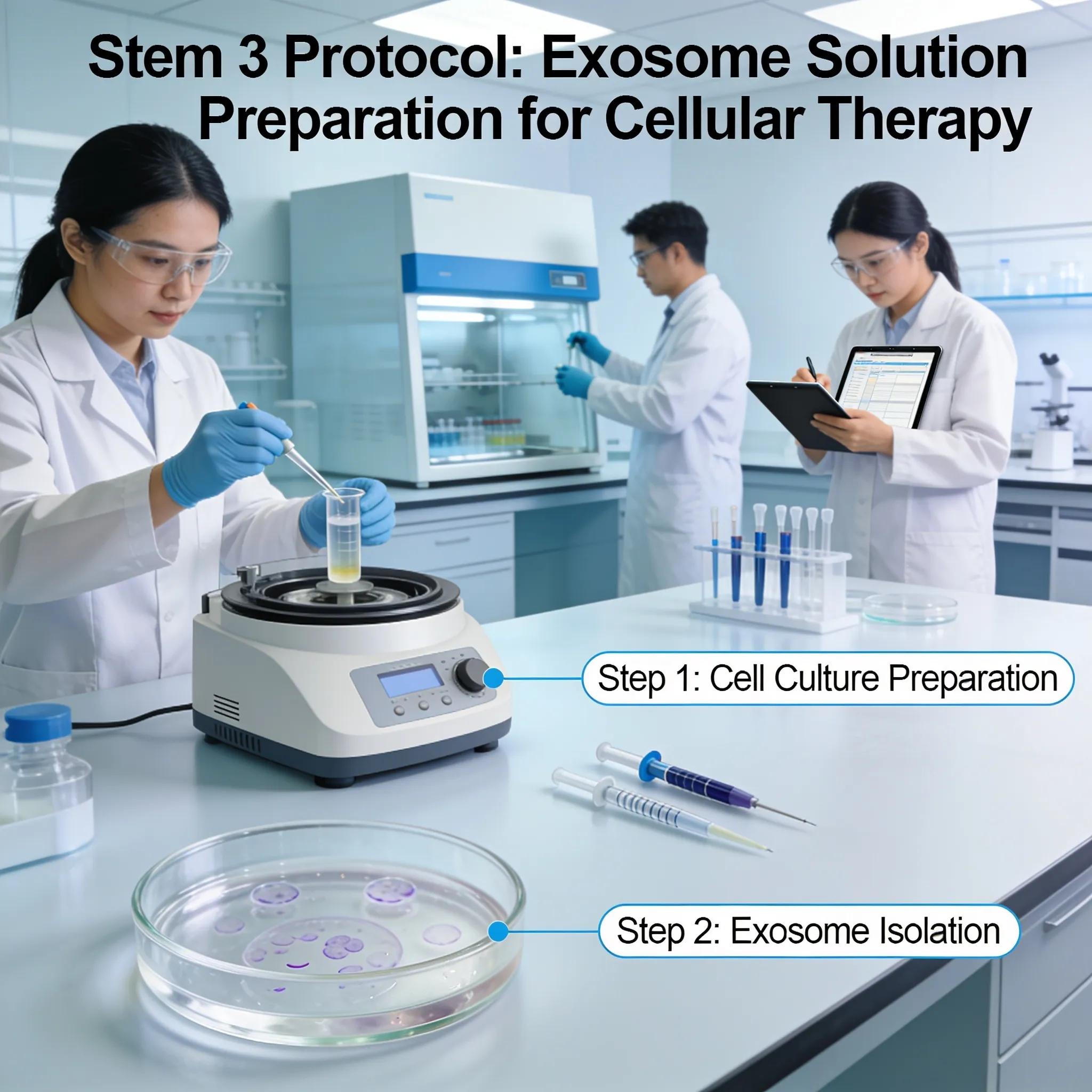
The most studied options are platelet-rich plasma (PRP) and cell-based or regenerative protocol. PRP concentrates the growth-factor-rich portion of your own blood; regenerative protocol uses signaling vesicles intended to support the local tissue environment. At Springs Rejuvenation these are delivered as part of a tailored shoulder plan rather than a single generic injection, because a small partial-thickness tear and a large full-thickness tear are very different situations.
What the evidence suggests
Research on PRP for partial-thickness rotator cuff tears and tendinopathy has reported reduced pain and improved function in some patient groups, particularly when the tear is small and the tissue quality is reasonable. Cell-based research is earlier and the trials are smaller, so it should be read with appropriate caution. The realistic framing is that regenerative therapy may help certain people delay or avoid an operation, not that it reliably reattaches a large, retracted tear.
Who is usually a candidate?
Partial tears, tendinopathy, and small full-thickness tears in patients with decent tissue quality and good shoulder function tend to be the best fit for a regenerative trial first. A large retracted tear, significant weakness, or a tear in a young, high-demand shoulder is more likely to need surgical attention, and we will tell you that plainly.
How does recovery compare with surgery?
Surgical repair involves a longer, structured rehabilitation, often several months in a sling and physical therapy. A regenerative approach is less invasive with a shorter downtime, but it works gradually and results vary. It is best viewed as an option for the right tear, not a universal shortcut.
How soon will I know if it helped?
Most patients are reassessed over several weeks to a few months. Regenerative therapy is not an overnight fix, and individual outcomes differ.
The Springs approach
We start with imaging and an honest conversation about whether your specific tear is a reasonable candidate for a regenerative plan or whether a surgical consult is the better call. When regenerative therapy is appropriate, it is built into a broader shoulder program alongside targeted rehabilitation. A free consultation is the simplest way to find out which path fits your shoulder.
Medical Disclaimer: Stem cell and regenerative protocol is not an FDA approved therapy and is considered to be in the experimental stages. These statements have not been evaluated by the FDA and are not intended to diagnose, treat, cure, or prevent any disease. Springs Rejuvenation processes regenerative procedures in an FDA approved lab. Individual results may vary. This content is reviewed for medical accuracy by Dr. Charles Pereyra, MD, Medical Director of Springs Rejuvenation, and is provided for educational purposes only. Always consult a qualified physician.